Charging Piles & Shared Device Connectivity: Cat1 IoT SIM Card Adaptation Guide
Shared devices are scattered and numerous. Choosing the wrong connectivity solution leads to both disconnections and excessive data charges. This article compares Cat1, NB-IoT, and Cat4 use cases and outlines five key checks before deploying devices at scale.
Choosing the wrong SIM card causes invisible losses in shared device operations, including dropped connections and data charges.
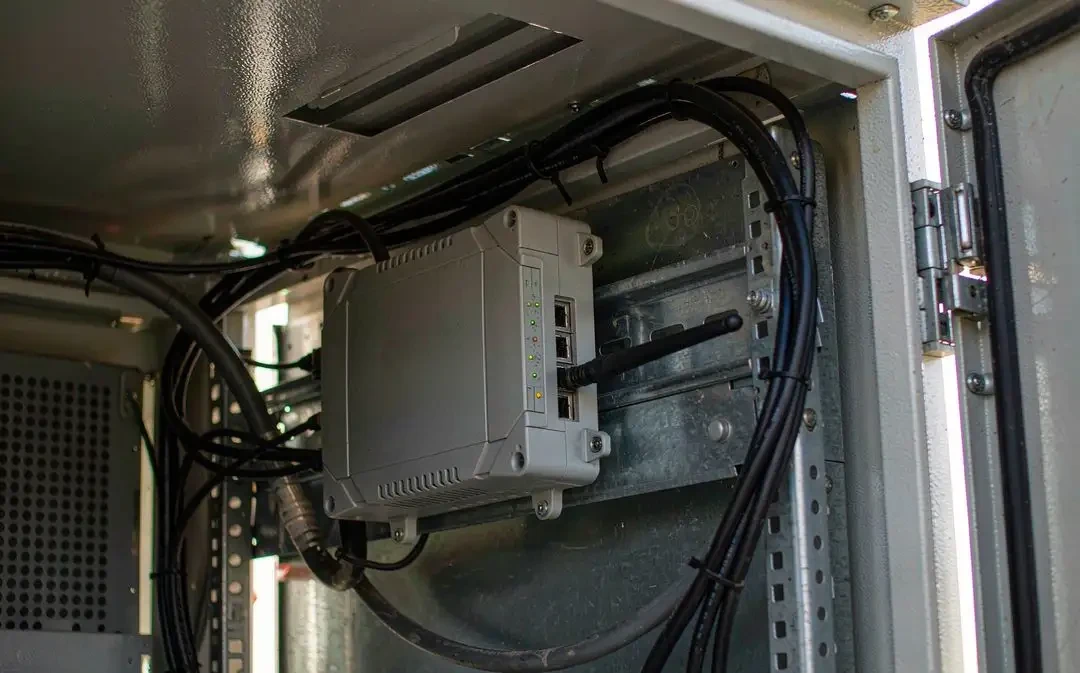
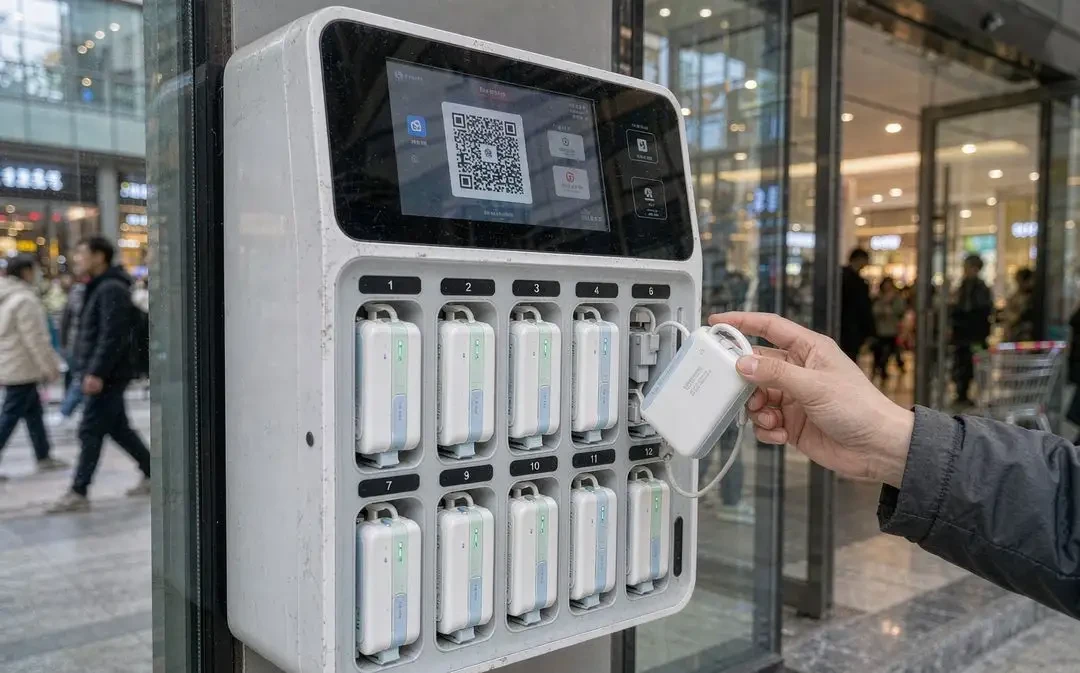
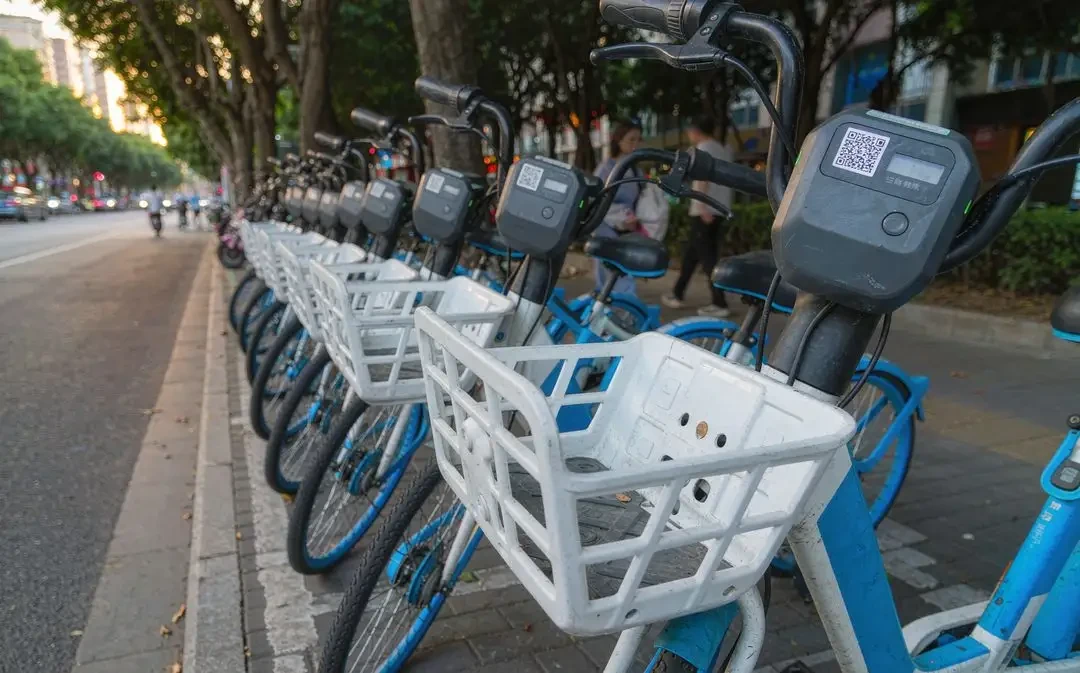
EV charging stations, shared power banks, shared bicycles... Shared devices have a high demand for connectivity. However, these projects are characterized by scattered locations and large quantities, with operations entirely managed from the backend. Many solutions discover upon launch that the equipment is functional, but theThe connectivity solution was chosen incorrectly from the start.For shared terminals with low to medium data rates,Cat1 IoT SIM CardBalancing speed and cost is the current mainstream choice. Here's a guide to help you decide.
Why Shared Devices Are a Good Fit for Cat1
Shared device connectivity typically requires status reporting, QR code scanning for startup, and location data.Small data volume but requires long-term uptimeCat1 uses 4G networks. It works well in areas with mobile signal coverage, making it ideal for these applications while keeping costs under control.4G nationwide coveragewhich perfectly aligns with the shared point strategy of "deploy wherever there are people."
Horizontal comparison: More flexible than NB-IoT, supports mobile scenarios and voice interaction—ideal for cloud speaker announcements; costs one tier less than Cat4. After 2G/3G network shutdowns, Cat1 is the ideal choice for migrating shared devices.Primary Takeover Plan。
02 Batch selection: Focus on these five points
Even with Cat1 SIM cards, stability varies significantly across different number ranges and batches. Before deploying devices in bulk, run through these five checks.
- Validate signal at each point first—select mainstream carrier number ranges, as underground garages and hallways often have weak network coverage.Test typical points first, then scale up.。
- Industrial-grade cards are non-negotiable: outdoor charging stations endure scorching heat, and bikes experience all-day vibration.High failure rate for consumer-grade cards。
- Choose pooled data sharing plans: ideal for high card volume with low data per SIM.Scale up small flow pools by locationMore cost-effective than single-card plans.
- With management platform — remote diagnostics, start/stop control, and traffic alertsThousands of cards without a platform are blind management.。
- Ensure sustained supply: verify number block resources and long-term delivery capability.Avoid switching SIM cards mid-session。
Don't focus on volume right away when launching a new project.Run a small-scale pilot first.Clarify signal, power consumption, and data usage metrics before placing bulk orders. Stability in pacing is more important than speed. For bulk SIM card needs for charging stations and shared devices, please DM us with the number of sites and data requirements to receive a customized quote.
"You can copy the setup, but don't make the same connection mistakes twice."