深圳微秒物联科技有限公司官网

Technical Articles

How to activate an international data pool? First, understand the difference between virtual SIM and eSIM.

The international data pool consists of three layers: carrier type, number range assignment, and tariff pool. Activation requires four steps: verifying identity-based qualifications, selecting a pool, defining a tariff group, and pushing the activation command. Key considerations include eSIM compatibility on the device, cross-region sharing restrictions, and ensuring registration details match.

Author: Microsecond IoT
How to activate an international data pool? First, understand the difference between virtual SIM and eSIM.

Choosing a roaming SIM, local SIM, or eSIM for international device connectivity: Which is right for you?

How do smart meters, security cameras, and in-vehicle terminals connect to the internet when deployed overseas? This article breaks down the technical principles, cost structures, and management overhead of international roaming cards, local physical SIMs, and eSIMs. Four key questions help you determine the right stage for your project and select an optimal combination strategy.

Author: Microsecond IoT
International Device Connectivity: Roaming SIM, Local SIM, or eSIM?

Frequent IoT SIM disconnections? You likely chose the wrong data plan.

IoT SIMs disconnect intermittently, and repeatedly restarting or swapping devices won't fix it. Follow this actionable troubleshooting sequence: first, analyze the disconnection patterns and the card's lifecycle status; then verify throttling terms, card source tier, diagnostic capabilities, and contract boundaries; finally, investigate the device itself.

Author: Microsecond IoT
Frequent disconnections on IoT SIM cards? Often due to selecting the wrong plan.

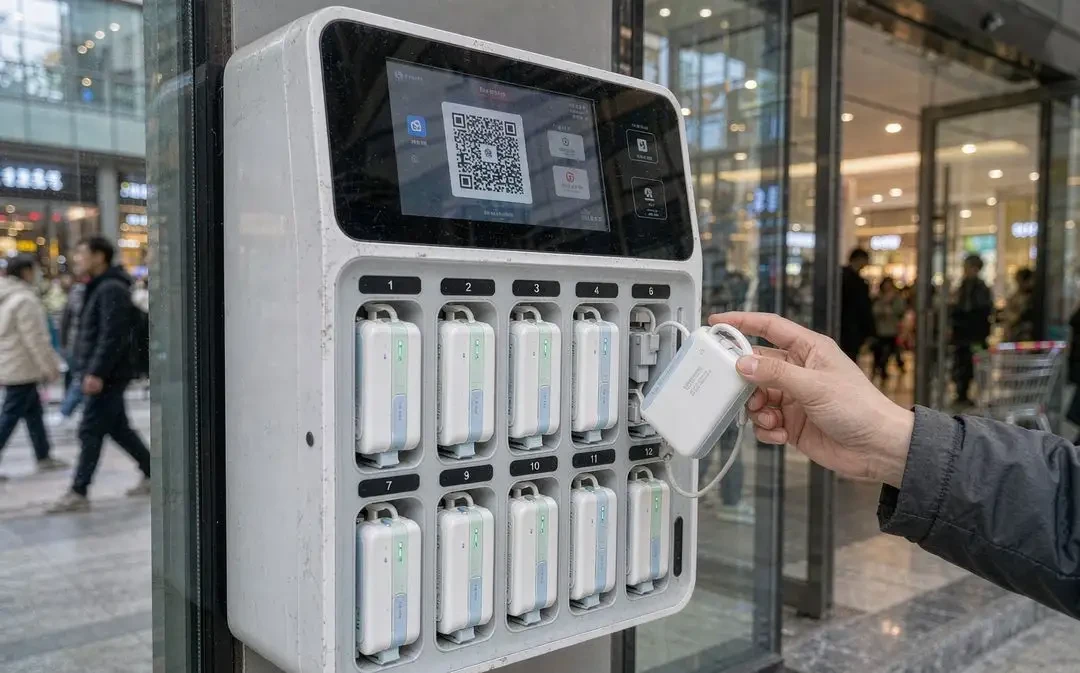
Shared Terminal Cellular Connectivity Solution: Centralized Cloud-Based Remote Management

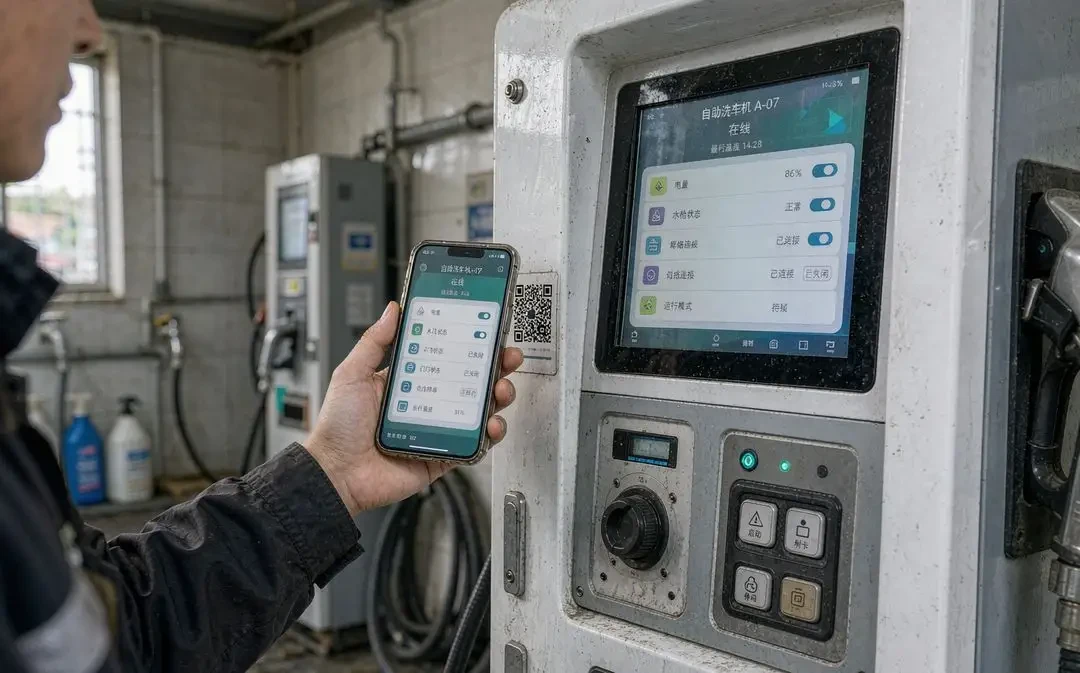
After deploying shared power banks, massage chairs, and self-service car washes, monitoring the online status and traffic capacity across thousands of locations manually is unsustainable. This article explains how to use enterprise IoT SIM cards with a management backend to digitize traffic queries, remote card control, and alert notifications. It also provides practical recommendations for maintaining location records.

Author: Microsecond IoT

Shared Terminal Cellular Connectivity Solution: Centralized Cloud-Based Remote Management

IoT SIM card for connected surveillance cameras with support for bulk plan provisioning

High cabling costs and frequent relocation of monitoring points make outdoor and construction site surveillance challenging. IoT SIM cards offer plug-and-play connectivity. Since cameras are heavy data users, data plans must be tailored to each site's actual needs. This article explains why cellular connectivity is ideal for camera networks and outlines a three-step approach to building customized plans: on-demand data allocation, pooled sharing, and backend visibility.

Author: Microsecond IoT
IoT SIM card for networked surveillance cameras with support for bulk plan configuration

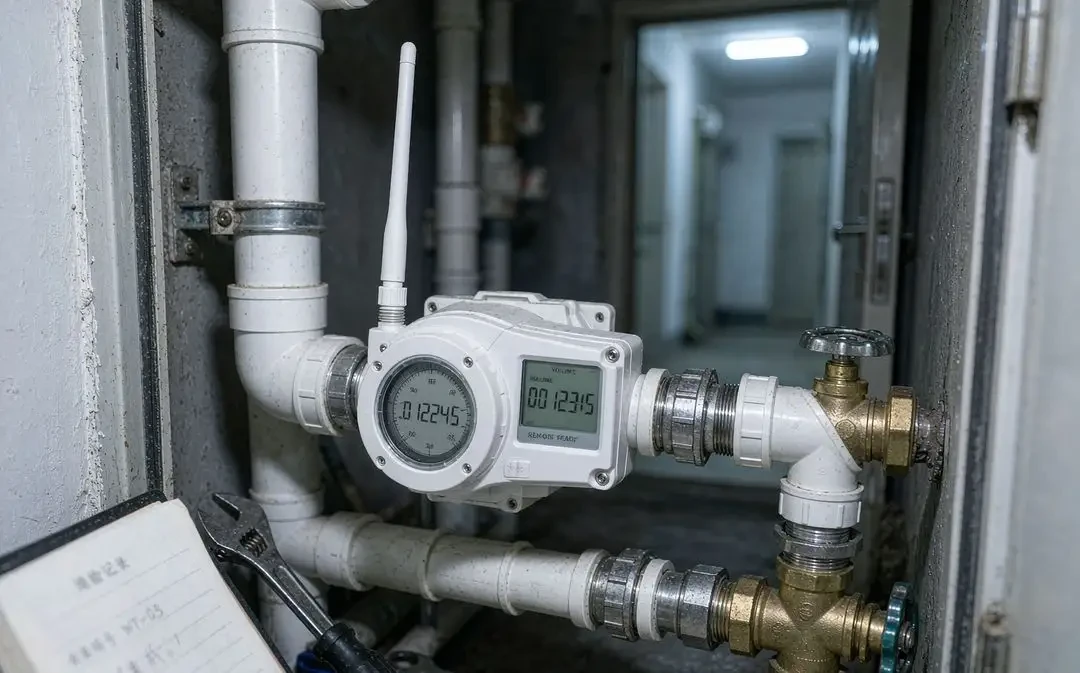
Low-power, long-range communication; NB-IoT SIM cards for water meters and gas meters.

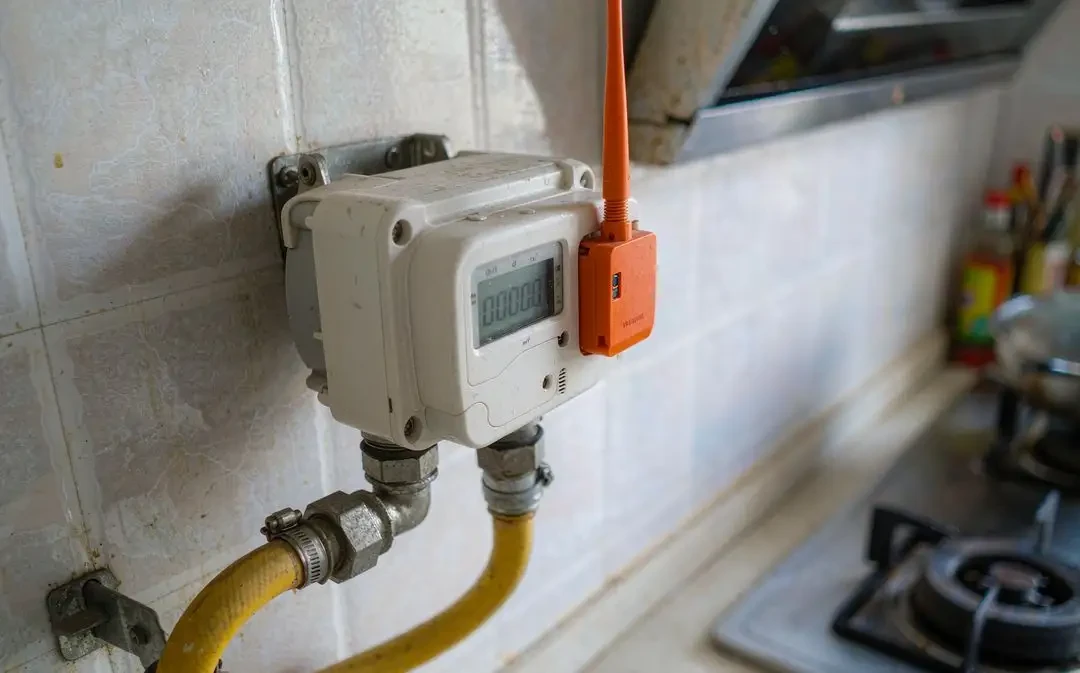
Water and gas meters transmit only a few readings per day yet must operate continuously for 5–6 years inside wells and cabinets. This article examines NB-IoT's advantages in power efficiency, penetration, and management for metering applications, addressing three critical constraints: harsh environments, battery longevity, and massive connectivity. It also highlights key supply chain and numbering plan considerations to verify before signing contracts.

Author: Microsecond IoT
Low-power, long-range communication; NB-IoT SIM card compatible with water and gas metering devices

Distinguishing Cat1 from NB-IoT: A Guide to Selection Logic

Cat1 and NB-IoT are not substitutes but serve complementary roles. Compare the two networks across four dimensions: data rate, power consumption, cost, and use cases. Then answer three key questions to quickly determine the right SIM type for your project: "Does it need mobility?", "How large is the data volume?", and "Can the battery be replaced?"

Author: Microsecond IoT
What's the Difference Between Cat1 and NB-IoT? A Guide to Selection Logic

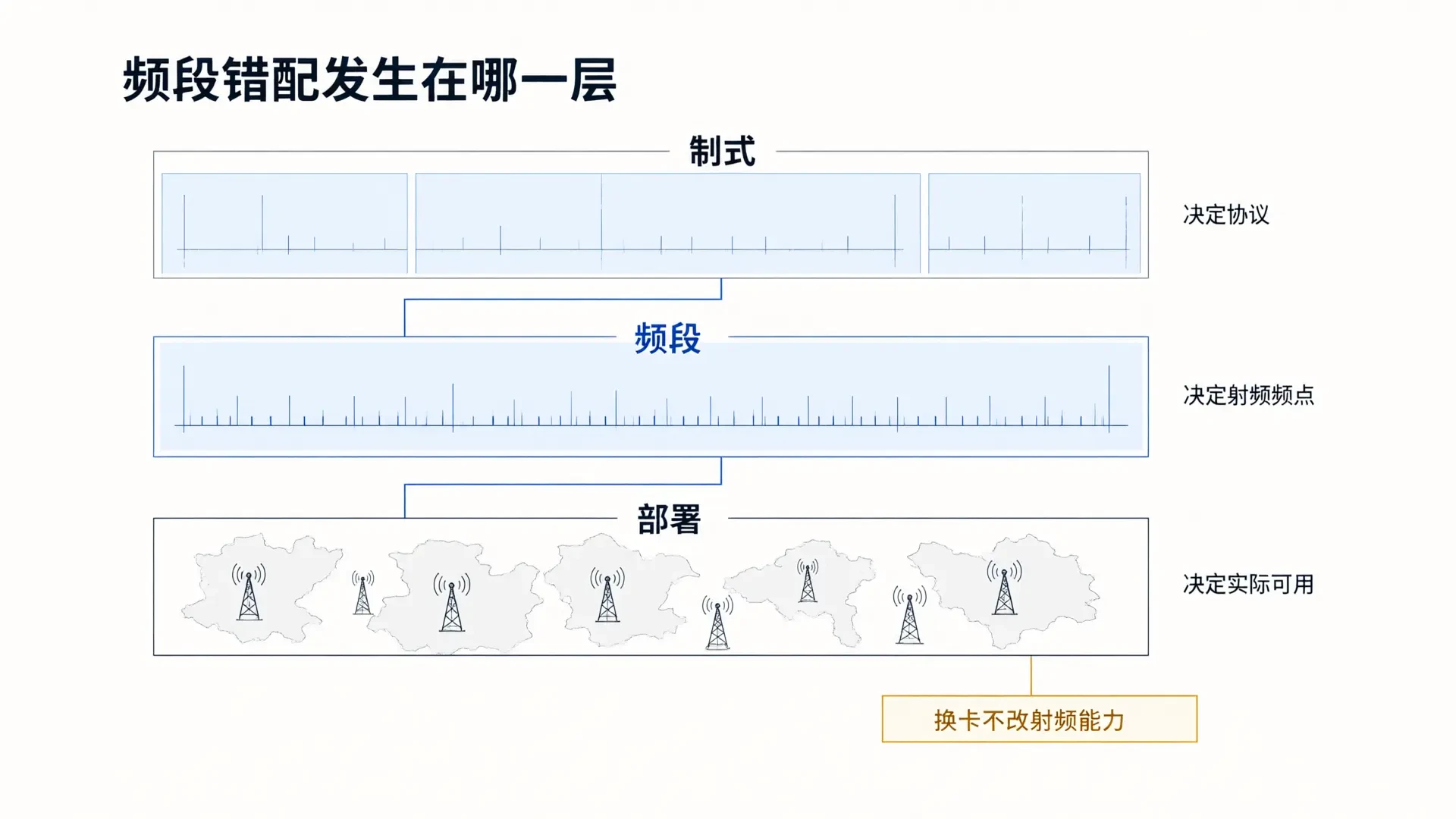
Global Mobile Frequency Bands Reference (IoT Card / Module Selection Edition)

Organize LTE and 5G NR frequency bands by region, clarifying the three-layer relationship between technology standards, band allocations, and network deployment. Outline the verification sequence for NB-IoT, NSA networking, authentication, and SIM card form factors to help cross-border device manufacturers avoid band mismatches during the selection phase.

Author: Microsecond IoT

Global Mobile Communication Frequency Bands Reference (IoT SIM / Module Selection Edition)

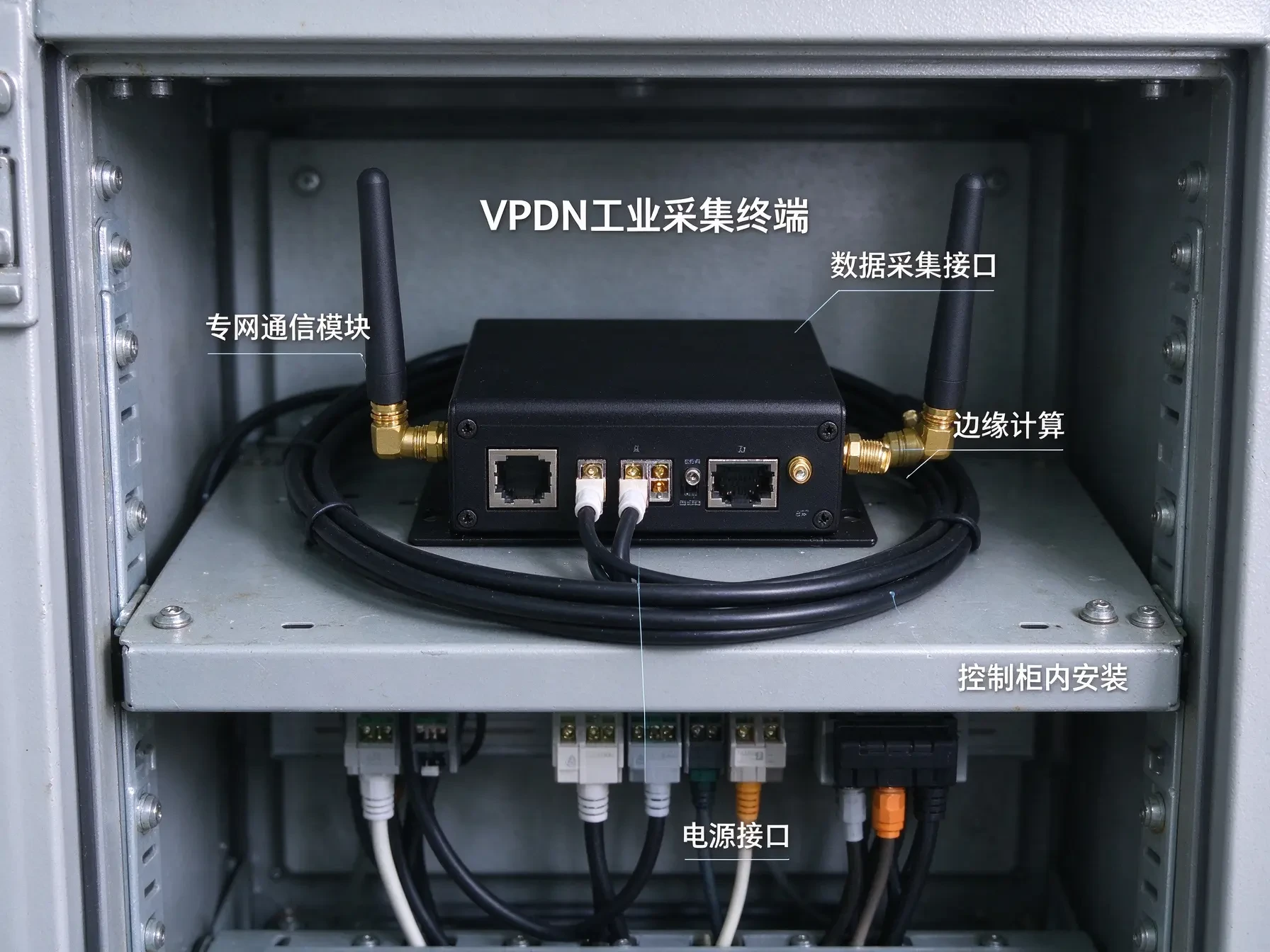
Industrial VPDN collection frequently loses sync? How to ensure stable data transmission on factory intranets

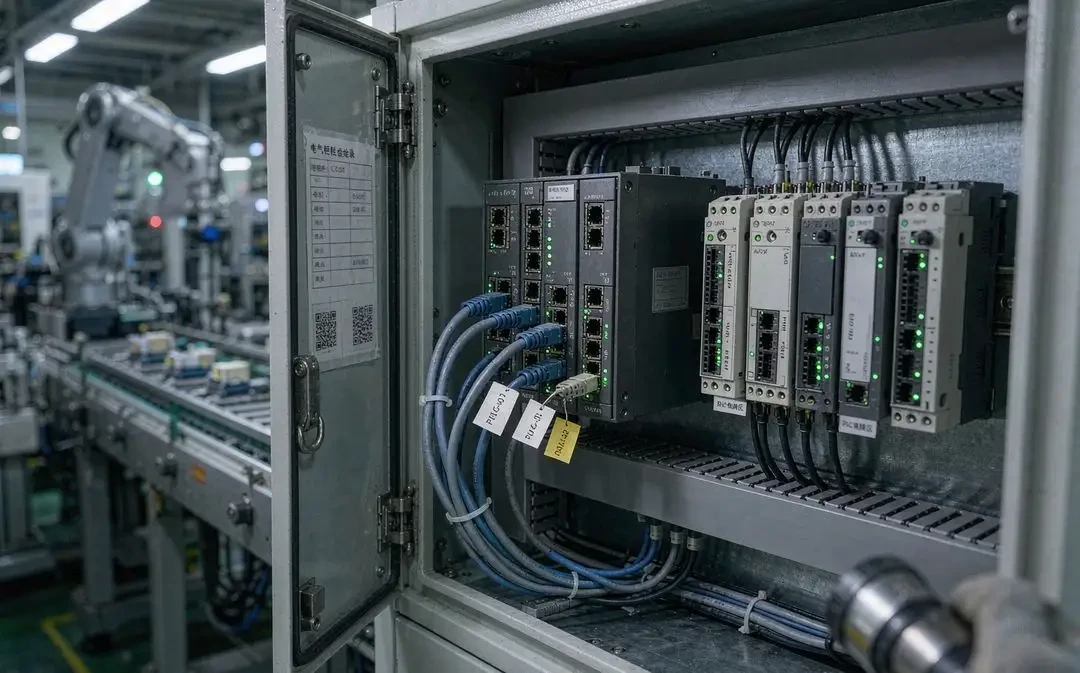
VPDN industrial data acquisition terminals in mining/manufacturing enterprises and water treatment pumping stations frequently experience tunnel jitter and disconnections, causing production data synchronization interruptions. This paper analyzes the limitations of generic VPDN in business priority, link redundancy, keep-alive mechanisms, and link monitoring, and proposes a dual-tunnel redundancy and breakpoint resume solution tailored for 4G/5G industrial private network scenarios.

Author: Microsecond IoT
Is industrial VPDN data collection frequently losing sync? How to ensure stable intranet data transmission in factories

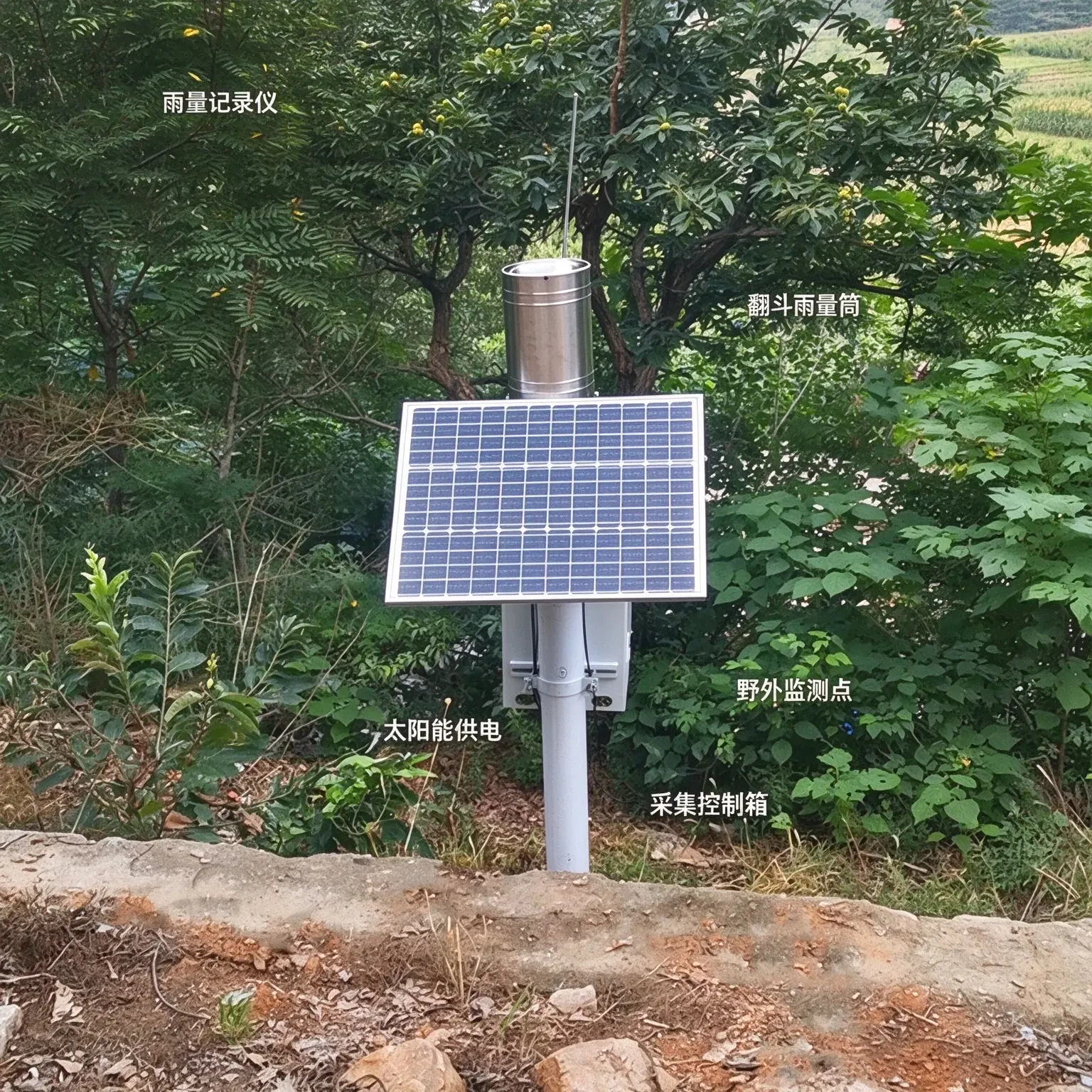
Rainfall data gaps during heavy storms? How to solve communication challenges for rain monitoring terminals.

During flood season, heavy rainfall triggers incremental data uploads from rain gauges in bursts. This spikes base station load, causing packet loss and site disconnections that create gaps in the rainfall curve. This paper analyzes the limitations of generic cellular connectivity regarding service prioritization, signaling convergence, local cache resending, and regional resource scheduling. It then proposes a dedicated network access solution tailored for NB-IoT/4G outdoor monitoring scenarios.

Author: Microsecond IoT
Rainfall data gaps during heavy storms? How to solve communication challenges in rain monitoring terminals.

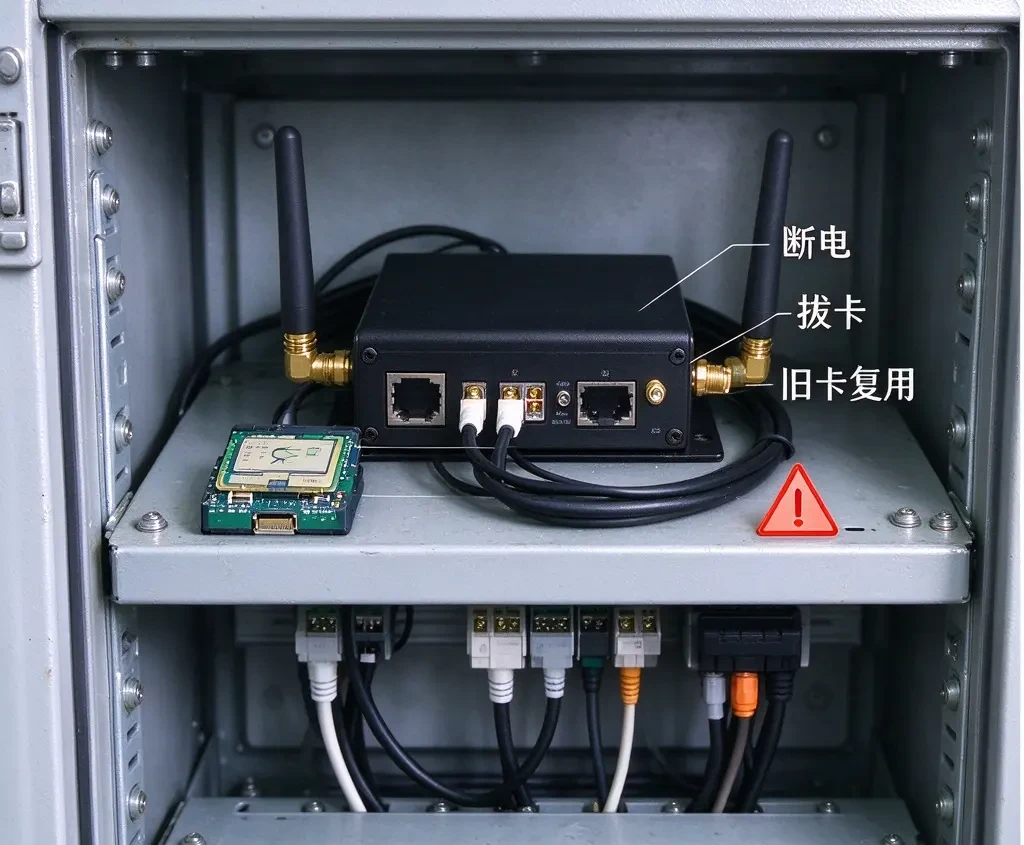
Do not redeploy cards returned from project offboarding directly.

If recycled IoT cards are not properly decommissioned and unbound, they may retain binding locks, whitelists, and risk control markers from previous projects. This can cause random registration failures and offline issues in new projects. This document outlines the hidden risks of residual card status traces and provides standardized recommendations for exit verification, unbinding, status reset, risk control clearance, and connectivity retesting.

Author: Microsecond IoT
Do not reuse cards returned from project offboarding for immediate deployment.

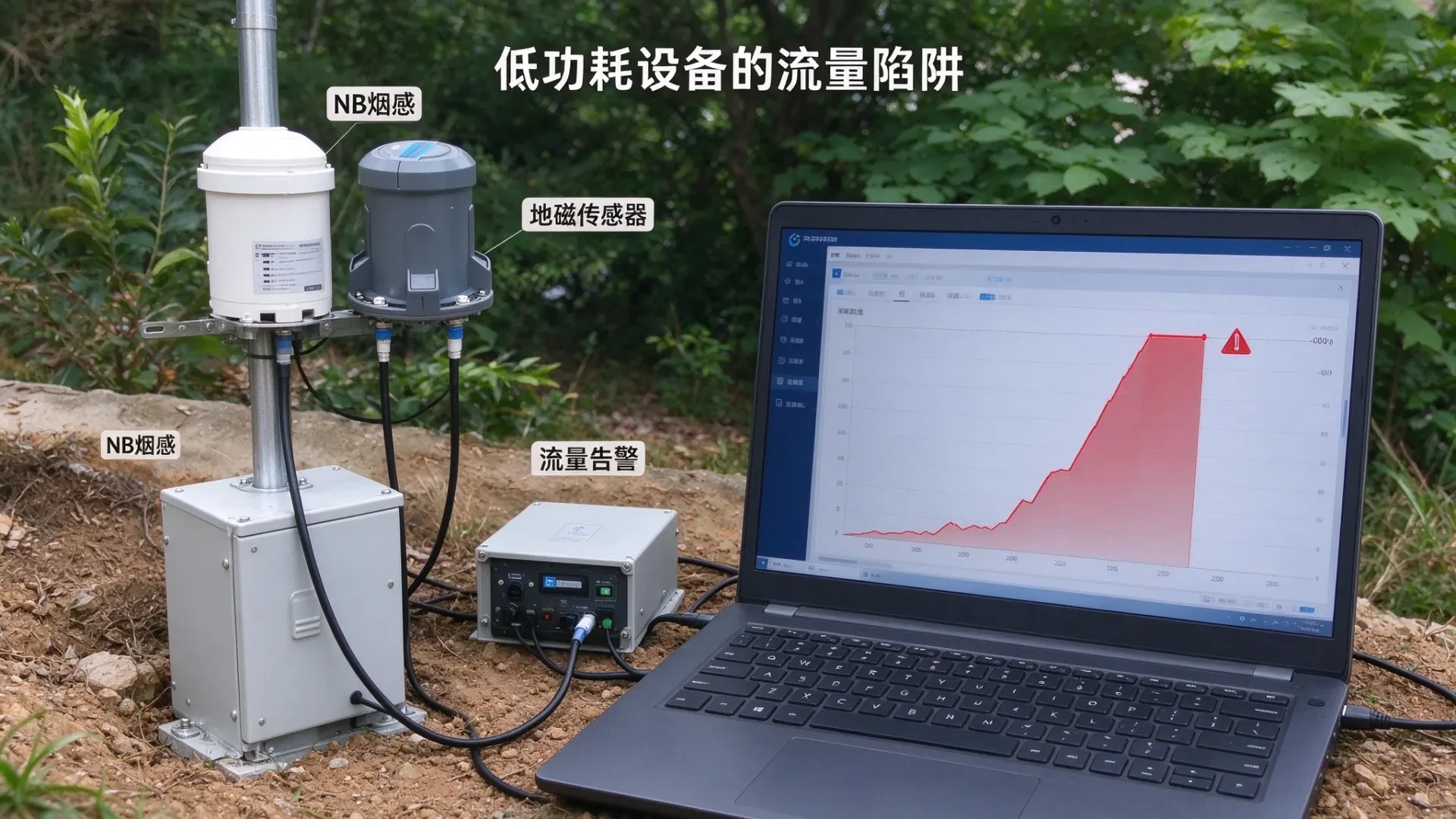
Magnetic sensors show low traffic, yet all devices go offline at month-end.

Low-power devices like parking magnetic sensors and NB smoke detectors often run out of data quotas by month-end due to ignored background traffic such as heartbeat packets, leading to throttling or disconnection. This article explains the hidden traps in data consumption for bulk devices and blind spots in low-cost solutions. It offers self-check and configuration recommendations covering heartbeat strategy trade-offs, data usage modeling, and buffer quota allocation.

Author: Microsecond IoT
Why does the geomagnetic service show low traffic but experience mass disconnections at month-end?

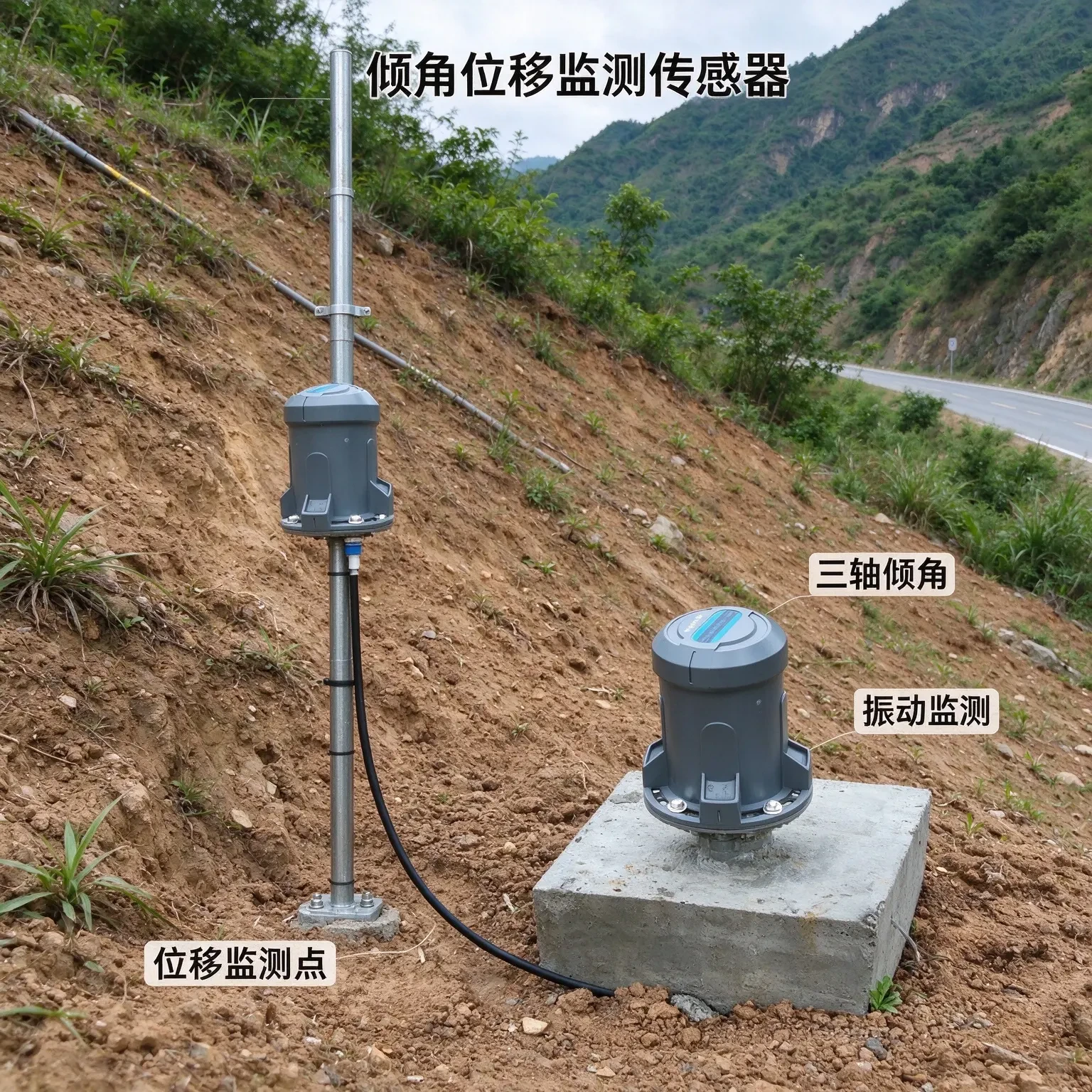
Critical slope displacement alerts going missing? Don't let geological monitoring messages fall through the cracks.

In slope and foundation pit geological monitoring projects, displacement exceedance alerts and sudden data changes upload slowly or are lost during base station congestion, leaving critical risk events without data evidence. This paper outlines the implementation strategy for a dedicated slope tilt and displacement monitoring connection solution from four perspectives: high-priority network slicing for alert messages, dual-link backup, visualized monitoring and warning, and scenario-based access registration.

Author: Microsecond IoT
Don't miss critical slope displacement alerts? Geotechnical monitoring messages are essential.

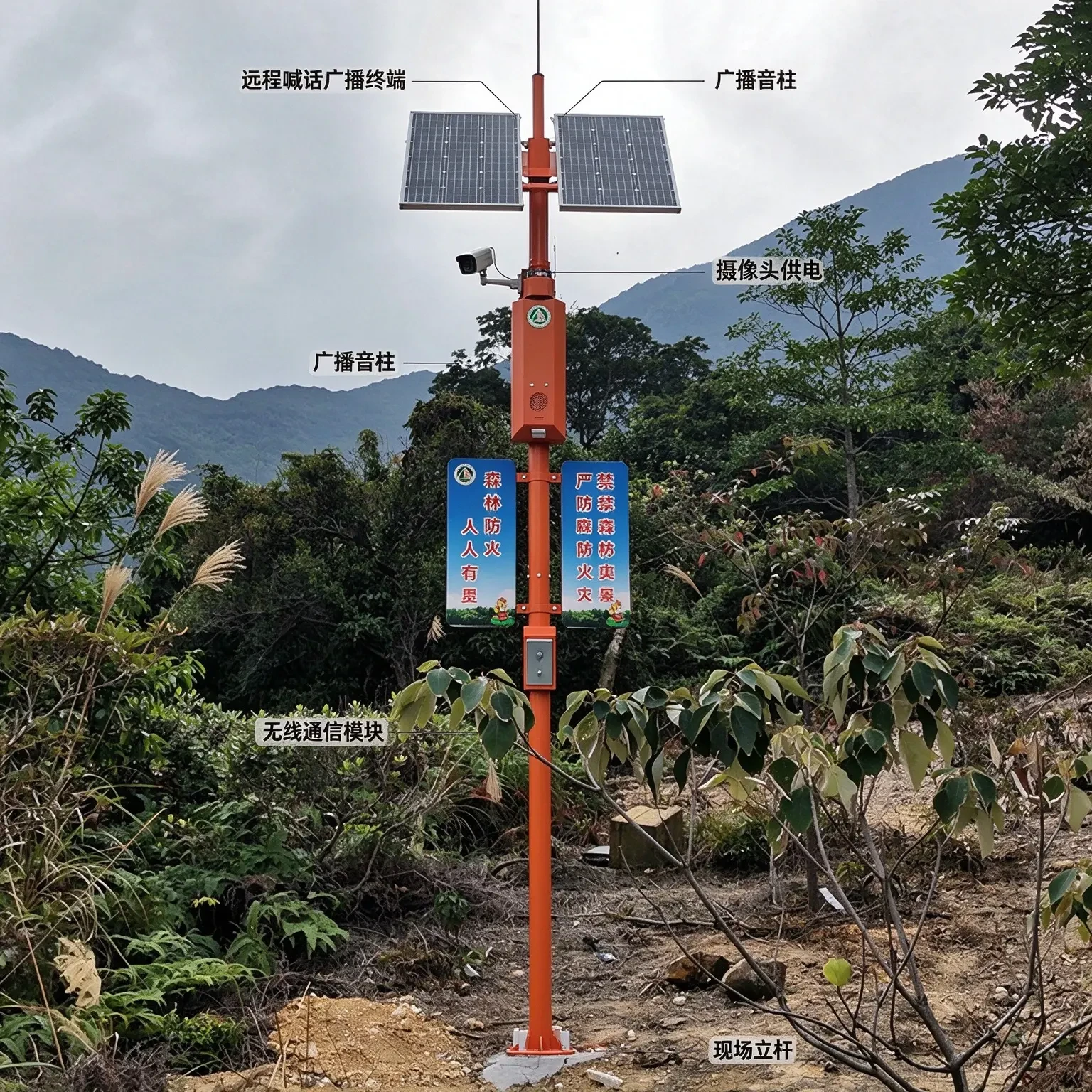
Remote public address systems frequently lag or cut out? The communication bottleneck in emergency broadcasting lies here.

In emergency remote broadcast projects for industrial zones, rivers, and geological hazard sites, command latency and voice stuttering are primarily caused by generic cellular connectivity solutions. This article outlines the implementation strategy for a dedicated connectivity solution for remote broadcast terminals, covering four key aspects: business traffic segmentation and isolation, dual-link redundancy across multiple carriers, a visualized connection management platform, and batch on-site access registration for outdoor deployments.

Author: Microsecond IoT
Remote PA systems frequently lag or lose audio? The bottleneck in emergency broadcast communication is hiding here.

Smart Pet Feeder Remote Feeding Keeps Failing? The Connectivity Reliability Challenge in Consumer IoT Devices

Home smart pet feeders often experience timeouts and unresponsiveness when issuing remote feeding or treat commands, with device status updates delayed. The root cause is typically that generic IoT SIM public network solutions are ill-suited for consumer IoT control scenarios. This article outlines a dedicated connectivity approach for feeders, covering lightweight high-priority channels, signal selection switching, short-term command caching with retry logic, and compliant batch device registration.

Author: Microsecond IoT
Why does remote feeding on smart pet feeders often fail? The challenge of communication reliability in consumer IoT devices.

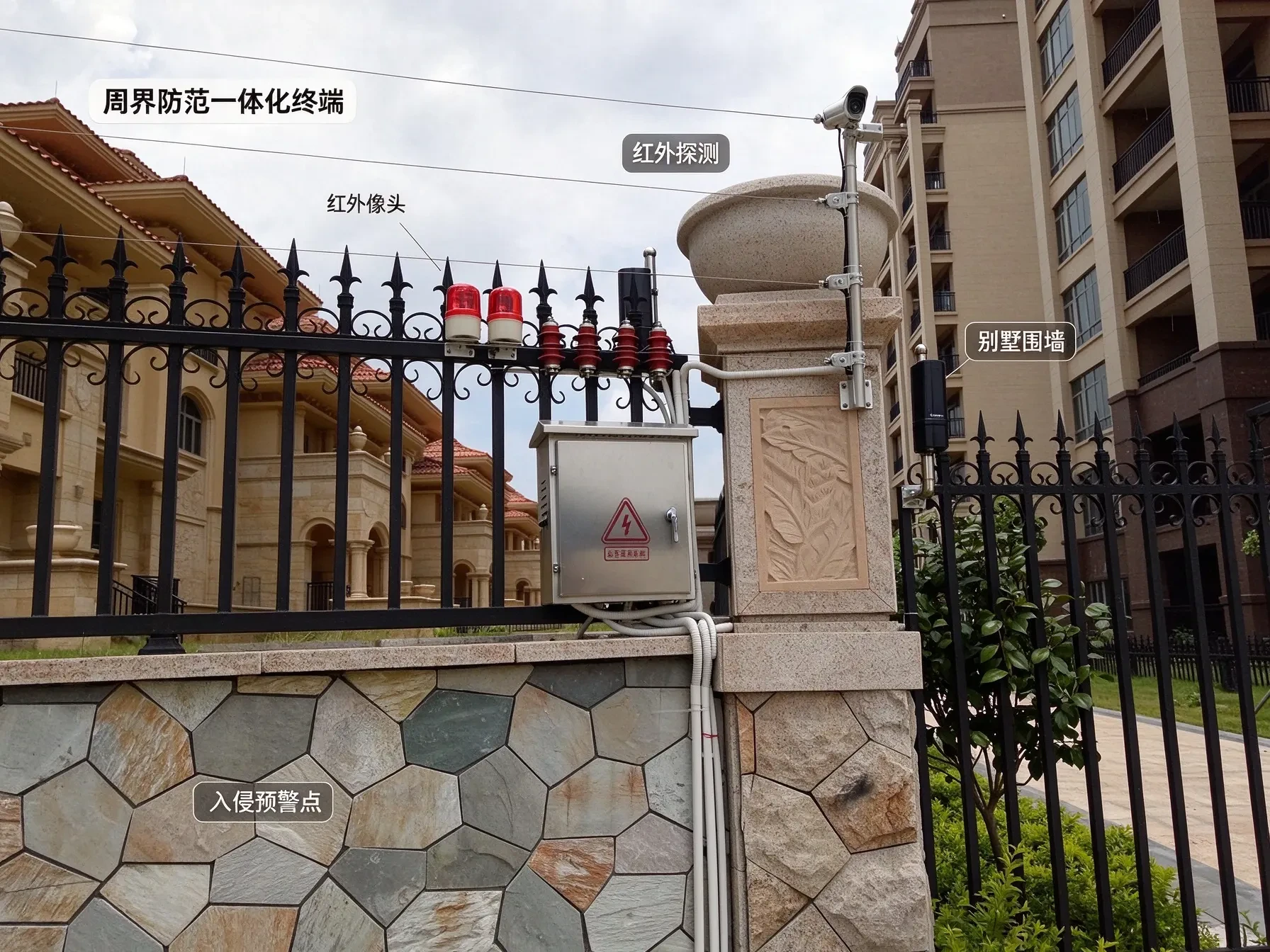
Why are perimeter intrusion alerts missing entirely for villa terminals? How to break the communication bottleneck at dense sensor points?

In villa and small estate perimeter security projects, simultaneous multi-point alarms often cause event log gaps due to concurrent uploads. Tree and wall obstructions further exacerbate packet loss and latency. This paper outlines the implementation strategy for a dedicated connection solution for villa perimeter terminals across four key areas: high-priority transmission slicing, dual-link backup, visual monitoring with early warning, and scenario-based access registration.

Author: Microsecond IoT
Why are perimeter intrusion alerts missing from the villa terminal? How to overcome communication bottlenecks in dense sensor deployments

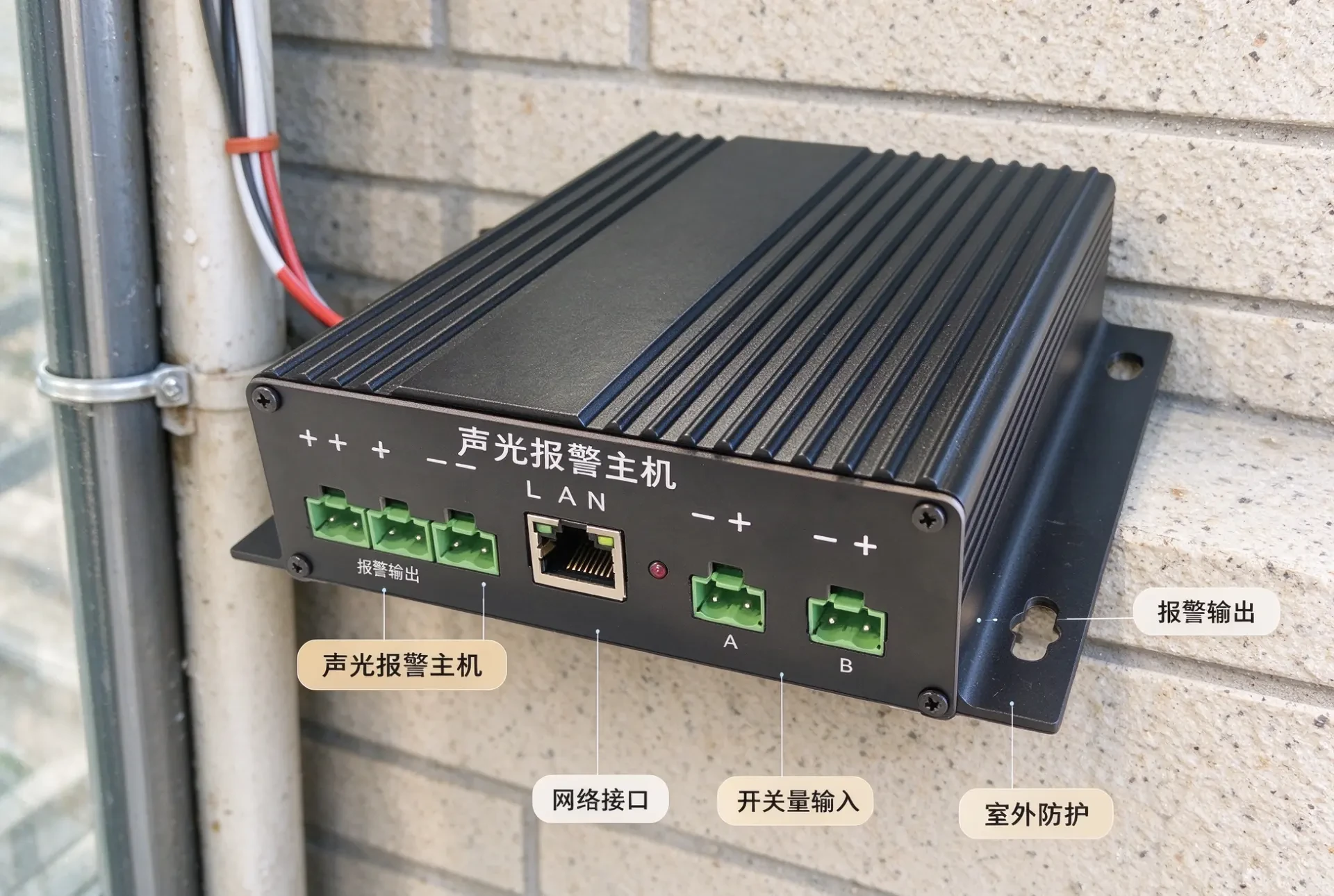
Is your audio-visual alarm host lagging in linkage? Network communication is crippling your entire security integration.

For villas, street-front shops, and small server rooms, networked linkages for sound-and-light alarm hosts often suffer from command delays or losses, resulting in "alarm received but no alert triggered." This article outlines a practical implementation approach for an integrated networking solution, focusing on four key aspects: high-QoS dedicated channels, command caching with resending, district-based packet control, and link diagnostics.

Author: Microsecond IoT
Is your audio-visual alarm host lagging behind in linked operations? Network communication is crippling your entire security system.

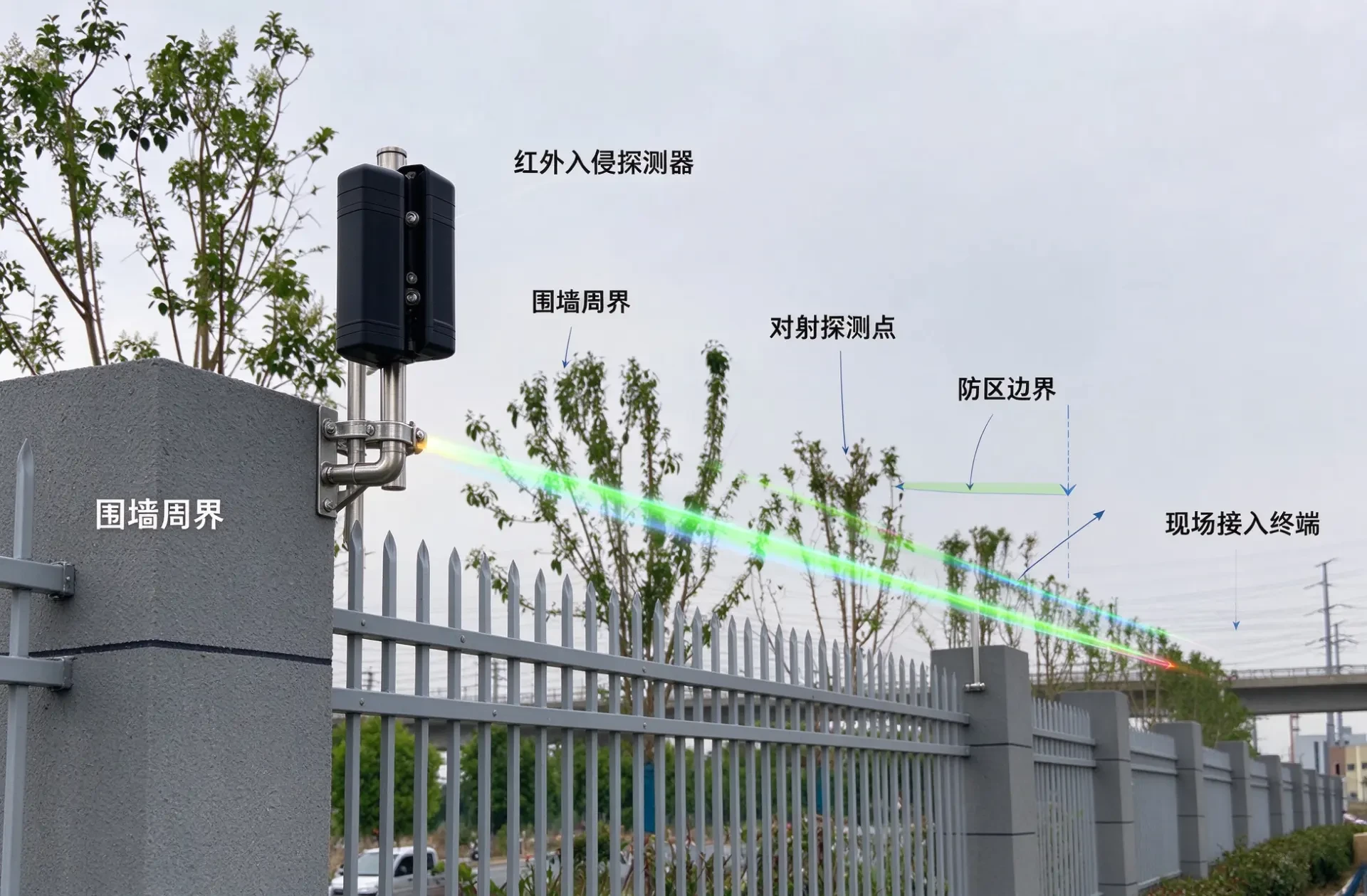
Why do perimeter infrared intrusion alarms frequently "miss" detections? The communication link is often the hidden bottleneck.

Infrared intrusion alarms at perimeters of villas, industrial parks, and factory zones often suffer from delayed or missed alerts due to signal obstruction and base station congestion. These issues typically stem from reliance on generic cellular connectivity solutions. This paper outlines a dedicated connectivity approach for perimeter infrared detectors, focusing on four key strategies: traffic layer isolation, multi-operator dual-link redundancy, a visualized connection management platform, and scenario-specific access registration.

Author: Microsecond IoT
Why do perimeter infrared intrusion alarms frequently miss detections? The communication link is often the hidden bottleneck.

Traffic pool costs are allocated per unit; additional payments are required in the second year.

When 300 devices share a single data pool, usage disparities can cause immediate over-allocation, leading to throttling and additional charges by the second year. This document outlines the logic for grouping pools by device type and highlights critical terms that must be defined in contracts upfront: billing bases, rollover policies, independent pool creation, and alert thresholds.

Author: Microsecond IoT
Traffic pool costs are allocated per unit; all units contribute additional funds in the second year.

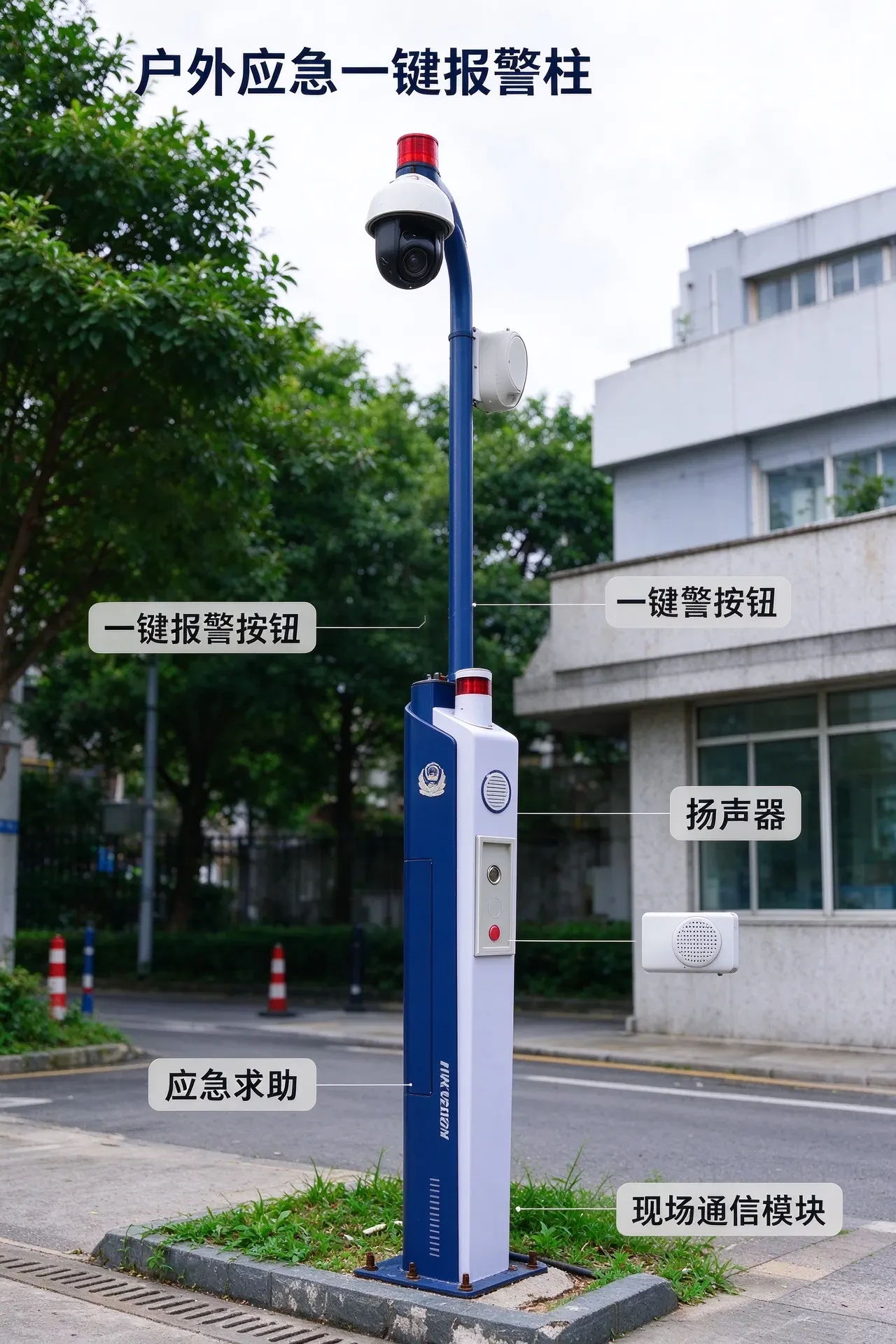
One-touch alarm pillar fails to connect during critical moments? How is communication reliability ensured in emergency scenarios?

Emergency one-touch alarm pillars in parks, greenways, and industrial zones may experience delayed or lost alarm and intercom signaling during extreme conditions or base station congestion, rendering emergency response channels ineffective. This article outlines the reliability design of a dedicated connection solution for emergency alarm pillars, covering four key aspects: high-priority slicing for alerts, dual-link redundancy across different carriers, local caching with retry mechanisms, and continuous link monitoring.

Author: Microsecond IoT
One-touch alarm column fails to connect in critical moments? How is communication reliability ensured in emergency scenarios?

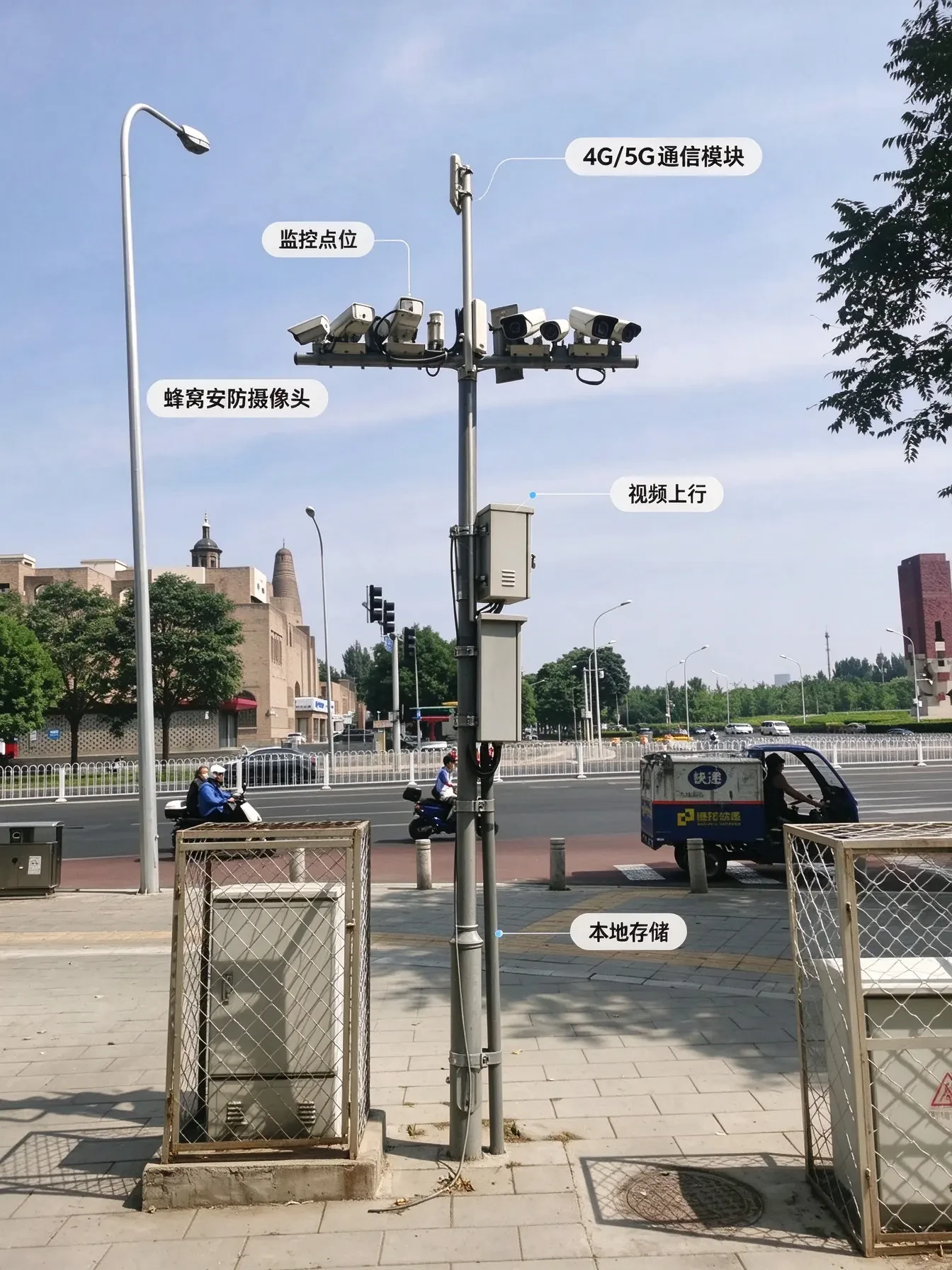
Frequent packet loss in general security camera alerts? Don't miss critical evidence packets.

In city-wide public safety projects, high traffic often causes delays or loss of camera alerts and event reports, breaking the critical evidence chain. This paper outlines a deployment strategy for IoT connectivity solutions through four key measures: dedicated high-priority network slicing for alert reports, dual-link backup, real-time link visibility monitoring, and scenario-based access registration.

Author: Microsecond IoT
Frequent packet loss in pan-tilt-zoom camera alerts? Don't lose critical evidence packets.
Guangdong ICP Record No. 17024478-1