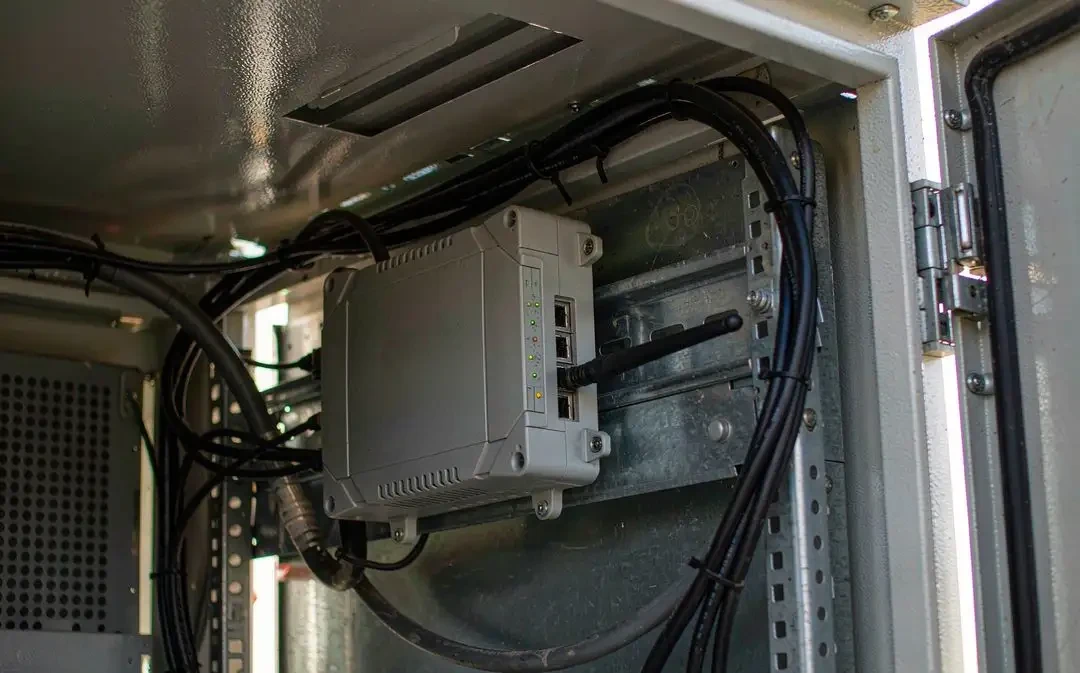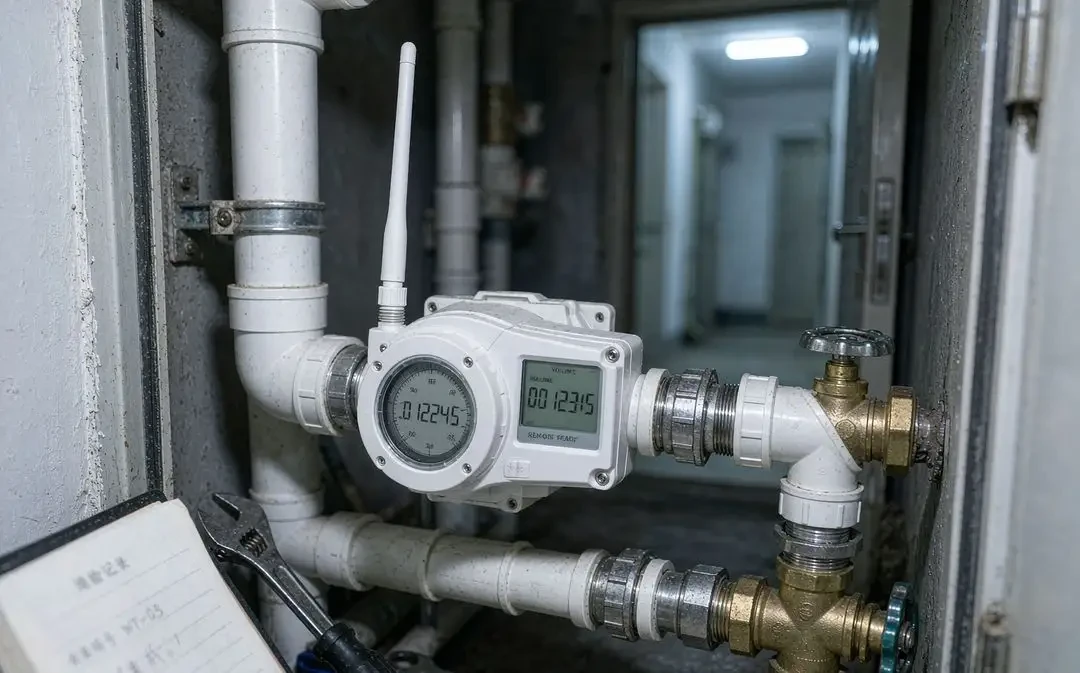
What's the Difference Between Cat1 and NB-IoT? A Guide to Selection Logic
Cat1 and NB-IoT are not substitutes but serve complementary roles. Compare the two networks across four dimensions: data rate, power consumption, cost, and use cases. Then answer three key questions to quickly determine the right SIM type for your project: "Does it need mobility?", "How large is the data volume?", and "Can the battery be replaced?"
Cat1 and NB-IoT: Not Replacement, But Division of Labor
Choose based on scenario first, then cost.
Many projects struggle when selecting a card: they all support connectivity, so which one should you choose? The decision comes down to just three criteria.Speed, Power, CostClarify the device's behavior first: what data to send, where to mount it, and its power source—the card type will then become clear.
01 Two routes, different positioning
NB-IoT is Narrowband Internet of Things.Built for ultra-low power and minimal data usageUses dedicated carrier frequency bands for high coverage gain, penetrating underground garages and deep pipelines. Trade-offs include data rates of only tens of kbps, higher latency, and no support for voice or high-speed mobility.
Cat1 uses the 4G public network, achieving speeds in the Mbps range.Supports voice calls and mobile scenariosThe module price has dropped to match that of 2G, making it the go-to choice for current medium and low-speed scenarios.
02 four dimensions, compare side by side
Same area, both cards connect—but performance varies wildly. Review these four points before choosing:
- SpeedNB-IoT peaks at around 60kbps, sufficient for scenarios like meter reading and smoke detection that send just a few messages per day. Cat1 supports Mbps-level speeds, handling images, voice, and firmware updates with ease.
- Power consumption: NB-IoT idle current as low as microampsOne battery lasts for yearsCat1 has power consumption an order of magnitude higher, making it suitable for devices with continuous power or rechargeable batteries.
- CostNB-IoT modules offer lower costs and are ideal for static, high-volume projects. Cat1 excels at handling more tasks with a single SIM card.
- ScenarioChoose NB-IoT for static, battery-powered, low-data applications. Opt for Cat1 when mobility, voice support, and fast response are required.
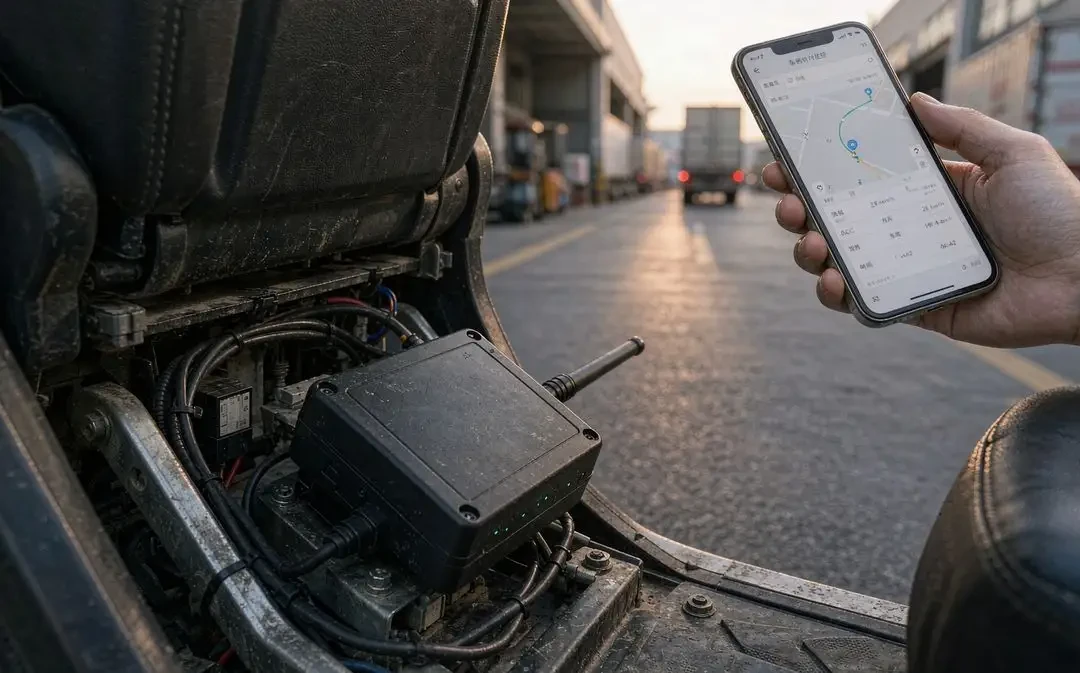
The judgment boils down to just three questions—Whether to move, data size, and battery replaceabilityFor static, power-saving use cases, choose NB-IoT. For mobile or interactive applications, go with Cat1. Unsure which is right for your project? Send me your device type, and I'll help you decide quickly.
No one-size-fits-all card—only the right fit for your scenario.