深圳微秒物联科技有限公司官网
移动、联通、电信物联卡,企业该怎么挑选?

移动、联通、电信物联卡,企业该怎么挑选?

作者:微秒物联

三大运营商的物联卡没有绝对优劣,只有与项目是否匹配。本文按点位信号、网络制式、套餐与风控条款、售后响应能力四步给出选型顺序,说明价格为什么通常不是长期成本里最大的一项。

企业采购物联卡时最容易犯的错,是先问“哪家运营商最好”。三大运营商的物联卡没有绝对优劣,只有与项目是否匹配。设备装在哪里、跑什么网络制式、月均流量多大、能否接受换卡,这几个答案基本决定了选型方向。

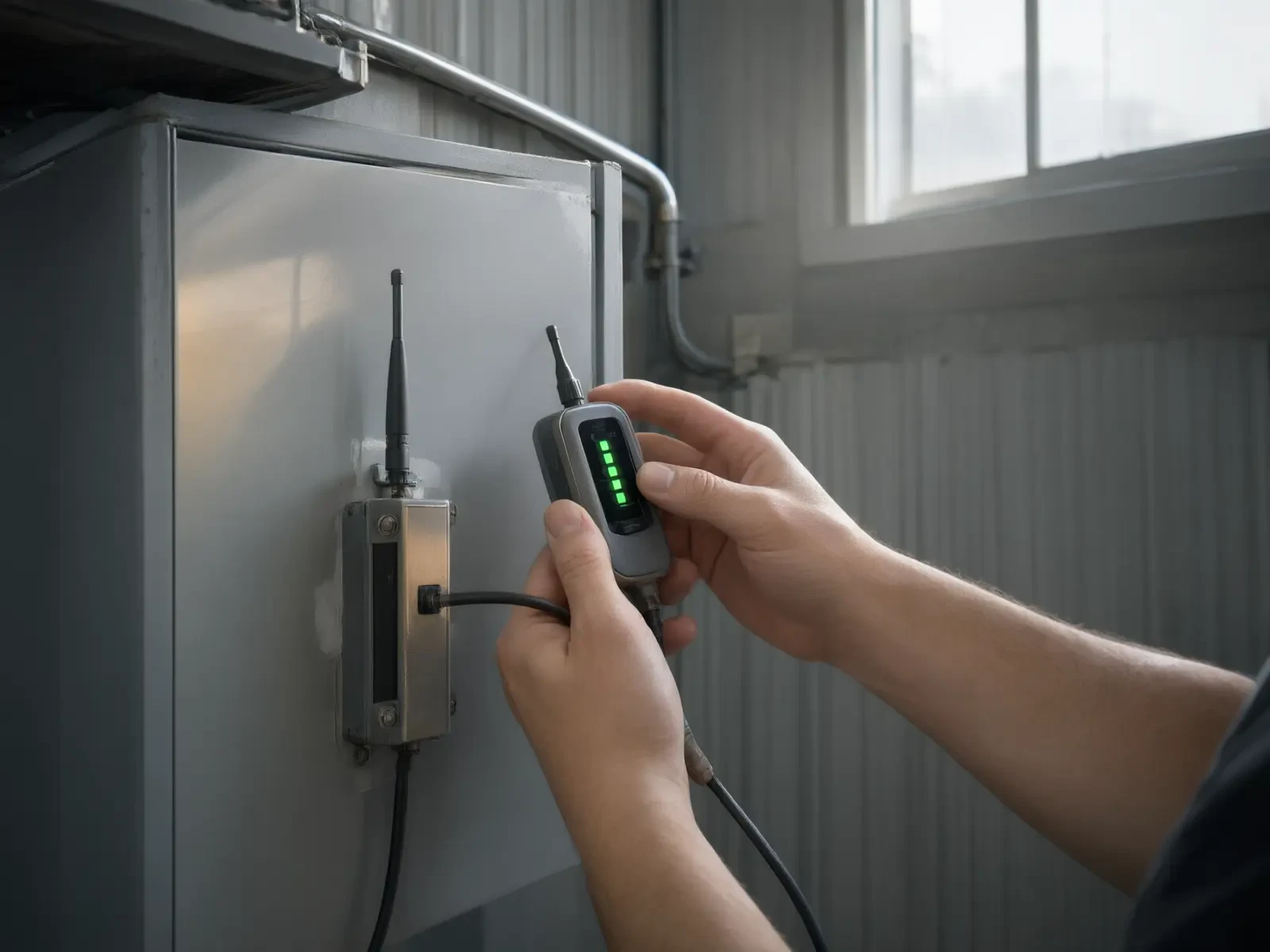
工程师在厂区配电柜旁用测试仪读取点位信号

先看信号和制式,再谈价格

网络覆盖是硬约束。同一张卡在市区写字楼、地下车库和山区基站的实测表现可能差出几个量级,运营商之间的强弱也随地区变化。可行的做法是拿项目实际点位做一轮现场测试,记录信号强度、附着成功率和掉线频次,再决定主用哪家、备选哪家。

制式需要提前对齐。智能水表、环境监测这类低功耗设备走 NB-IoT;自动售货机、充电桩的实时支付与远程启停多用 Cat.1 或 4G;高清视频监控、工业网关对时延和带宽有明确要求,才轮到 5G 上场。制式选错,再便宜的套餐也补不回来。

套餐条款与售后能力决定长期成本

物联卡的资费结构比手机卡复杂,常见形式有按量付费、包年套餐和流量池共享。企业容易只比单卡月费,忽略另外三件事:流量池能否跨设备调剂、超套后的计费规则、停机保号与复机的成本。设备规模上百台之后,流量池的共享能力直接决定浪费率。机卡绑定与风控规则也要在采购前确认,避免设备维修换机时被停机。

卡片交付只是开始。设备分散在园区、乡镇和野外,故障排查很难靠人工上门,服务商能否远程区分卡、网络与终端的问题,决定了平均恢复时间。

结语

建议的选型顺序是:先测点位信号,再定网络制式,然后核对套餐与风控条款,最后比较服务商的响应能力。价格可以放在最后,因为它往往不是长期成本里最大的那一项。
View in same category

Choosing a roaming SIM, local SIM, or eSIM for international device connectivity: Which is right for you?

How do smart meters, security cameras, and in-vehicle terminals connect to the internet when deployed overseas? This article breaks down the technical principles, cost structures, and management overhead of international roaming cards, local physical SIMs, and eSIMs. Four key questions help you determine the right stage for your project and select an optimal combination strategy.

Author: Microsecond IoT
International Device Connectivity: Roaming SIM, Local SIM, or eSIM?

Frequent IoT SIM disconnections? You likely chose the wrong data plan.

IoT SIMs disconnect intermittently, and repeatedly restarting or swapping devices won't fix it. Follow this actionable troubleshooting sequence: first, analyze the disconnection patterns and the card's lifecycle status; then verify throttling terms, card source tier, diagnostic capabilities, and contract boundaries; finally, investigate the device itself.

Author: Microsecond IoT
Frequent disconnections on IoT SIM cards? Often due to selecting the wrong plan.
Guangdong ICP Record No. 17024478-1