One-touch alarm pillar fails to connect during critical moments? How is communication reliability ensured in emergency scenarios?
Emergency one-touch alarm pillars in parks, greenways, and industrial zones may experience delayed or lost alarm and intercom signaling during extreme conditions or base station congestion, rendering emergency response channels ineffective. This article outlines the reliability design of a dedicated connection solution for emergency alarm pillars, covering four key aspects: high-priority slicing for alerts, dual-link redundancy across different carriers, local caching with retry mechanisms, and continuous link monitoring.
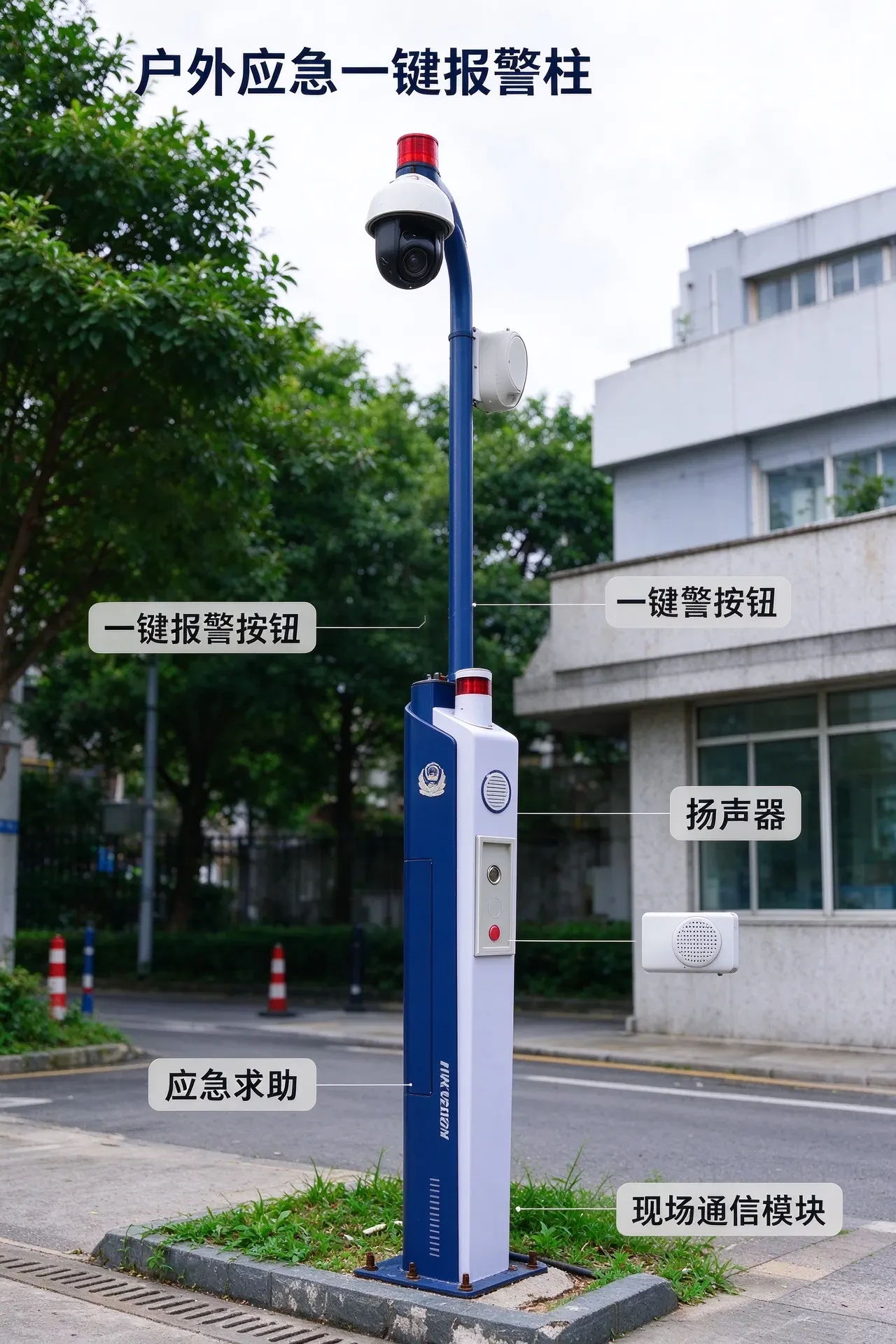
Emergency panic buttons in parks, greenways, and industrial parks demand extremely reliable communication links.
Many projects function normally during routine self-testing but experience critical failures under extreme conditions—such as when neighboring base stations face traffic surges. Pressing the alarm button may result in delayed distress alerts and push-to-talk signaling, or even complete loss of connectivity. In outdoor locations with heavy obstructions and complex electromagnetic environments, a single link failure due to signal attenuation can prevent emergency alerts from reaching the management platform, rendering emergency response channels ineffective and creating significant safety hazards.
Traditional generic cellular connectivity solutions cannot meet the high-reliability requirements of emergency services.
Standard public internet access lacks priority guarantees. Emergency alert messages compete equally with routine device data for resources, making them the first to be dropped during base station congestion. The system relies on a single communication link without redundancy or backup mechanisms. It also lacks offline caching and rapid retry strategies, meaning even minor network fluctuations can cause critical distress messages to be lost. Weak connection management prevents continuous 7×24-hour monitoring of link health, making it difficult to identify potential issues in advance.
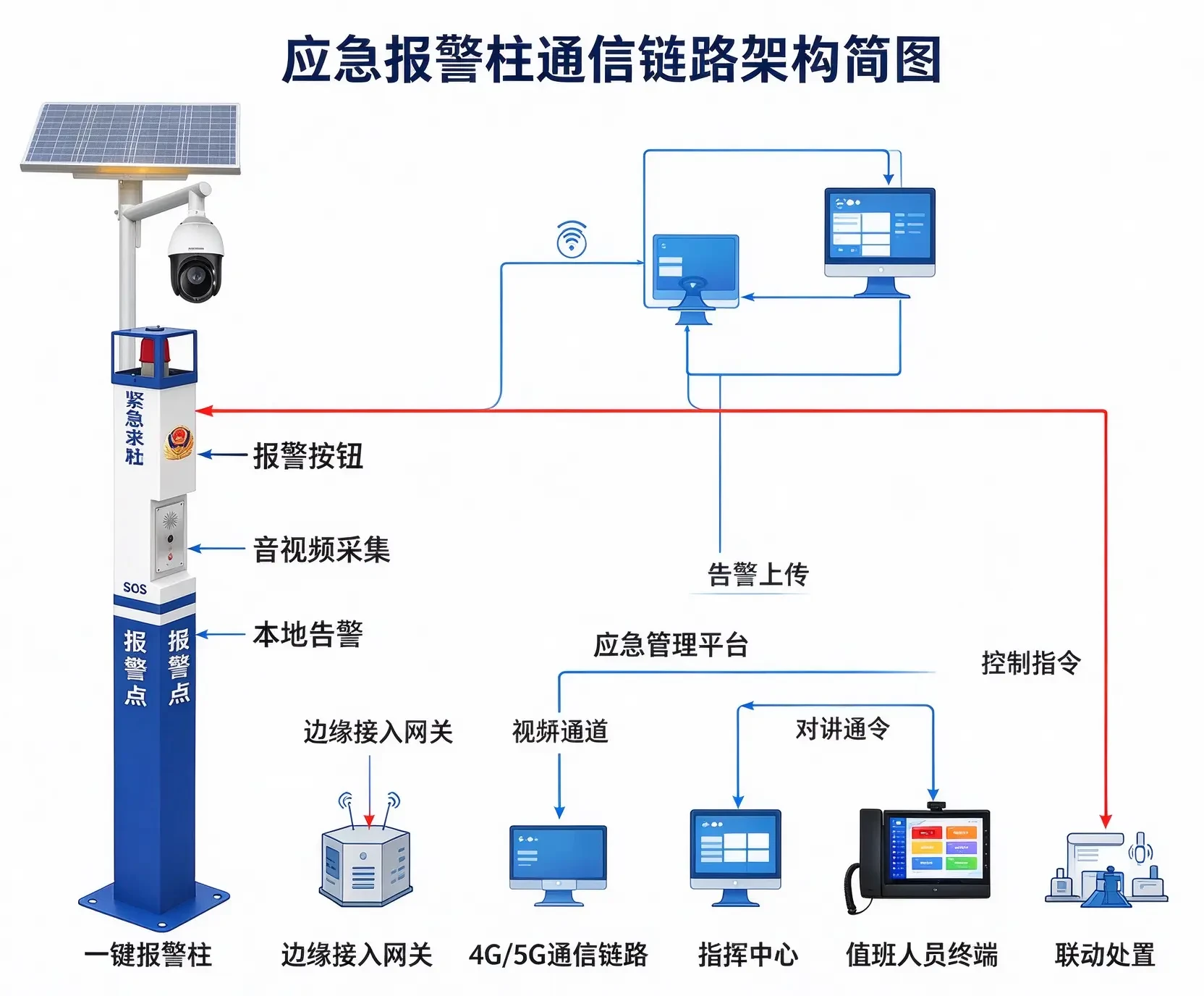
We provide a dedicated IoT connectivity solution for emergency panic alarm columns.
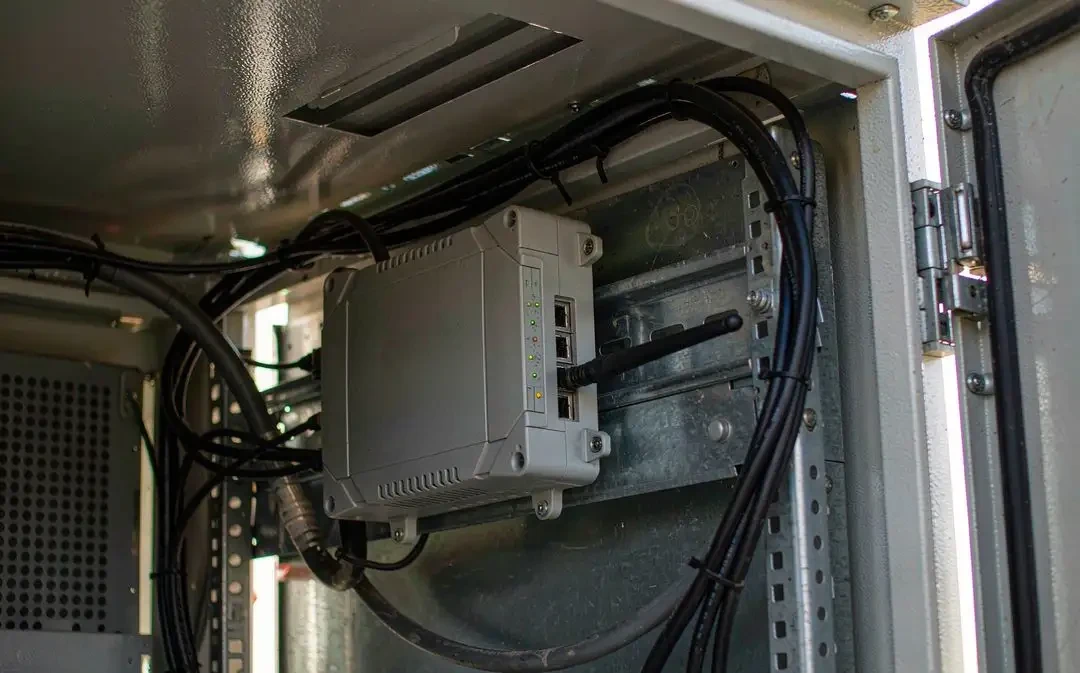
Emergency distress alerts and two-way intercom signaling are assigned to a dedicated high-priority network slice, ensuring priority transmission of critical messages during base station resource congestion. Dual-link redundancy across different carriers enables seamless automatic failover if one link fails. The gateway includes local caching and multi-level retry mechanisms to minimize alert message loss. The platform continuously monitors link availability and packet latency, pushing immediate warnings upon signal degradation or link interruption, fully compliant with emergency project acceptance standards.
Multiple park and greenway emergency alarm projects have been deployed to ensure reliable alert channels during emergencies.
Implementing emergency alert projects; specialized communication solutions are available for integration.