For industrial equipment connectivity, Cat1 IoT cards are the preferred choice—offering low latency and reliable connections.
Industrial Control & Data Transmission Devices: 7×24 Hours of Uptime. One Drop = Lost Batch. Based on real-world industrial requirements for latency and uptime, this article explains how Cat1 delivers on low latency, continuous connectivity, and cost-efficiency, with actionable recommendations to validate via pilot testing before scaling.
A production line can tolerate slowness, but not interruptions.
Industrial card selection: start with online rate.
Industrial control and data transmission devices stay connected to the backend 7×24 hours a day. A single disconnection can trigger alert spam or result in batch data loss. When selecting cards for such projects, focus on two key factors:Low latency, always onCat1 operates over public 4G networks and is emerging as a common choice for industrial wireless connectivity. However, keep in mind: no SIM card will work in areas with poor signal. Always verify the signal strength at your deployment sites before selecting hardware.
01 Industrial Scenarios: What Network Requirements Are Needed?
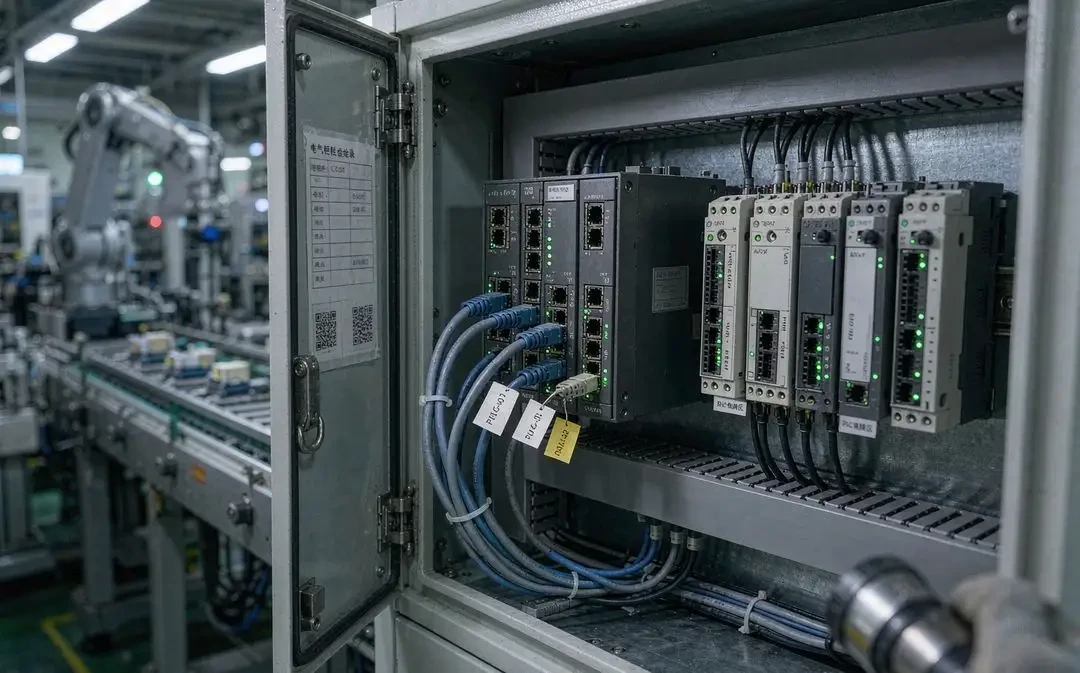
Industrial control and transmission devices follow a consistent connectivity pattern: frequent status reporting, remote command execution, and immediate exception feedback. These workloads have low bandwidth requirements.Latency and Online RateThat's the crux—delayed commands by seconds throw off production line rhythms; a few minutes of disconnection trigger a flood of offline alerts in the backend. Industrial networking demandsStable long-term transmission, not the peak rate.
Points not covered by wired or Wi-Fi, and the gaps left after 2G/3G phase-out, are now being filled byCat1 fills the gapSufficient bandwidth, low latency, and cost control — perfectly aligned with industrial requirements.
Three key points for 02 Cat1 industrial adaptation
Cat1 offers three key advantages for industrial wireless connectivity. Review these during selection.
- Low latency4G network latency reaches millisecond levels, enabling near real-time command delivery and status updates. Production line coordination and remote control keep pace seamlessly.
- Always Online: Mature heartbeat keep-alive mechanism combined with mainstream carrier number segments ensures devices stay online during long-term idle sessions, with continuous backend data visibility.
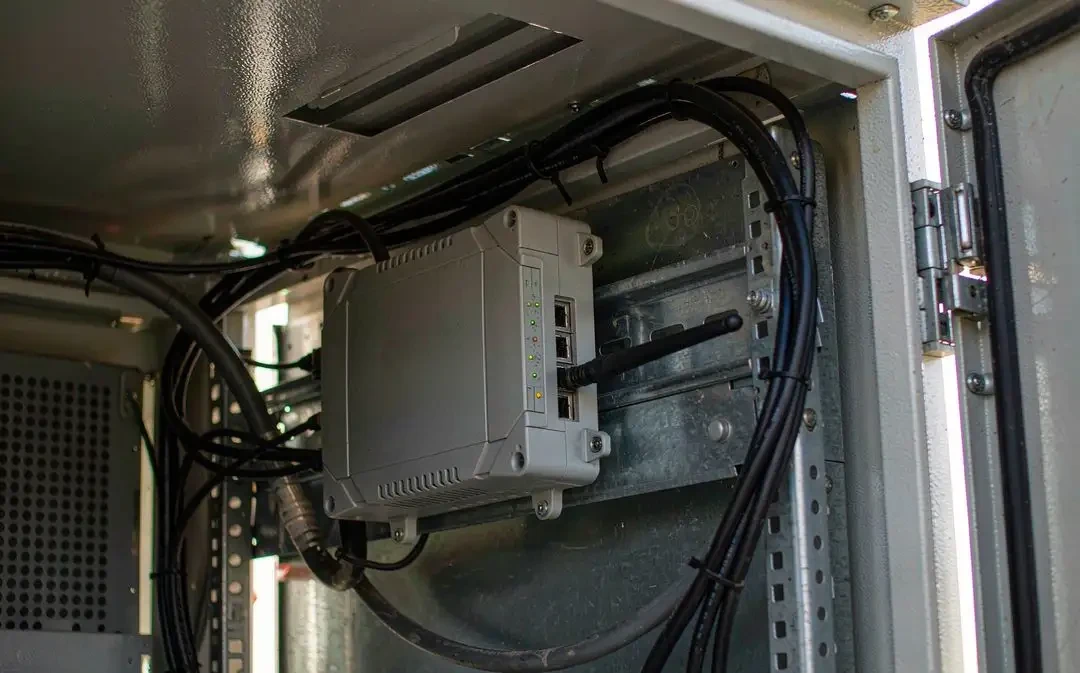
- Affordable: Module and pricing are one tier below Cat4. Industrial-grade SIM cards withstand extreme temperatures and vibration, enabling long-term deployment in both cabinet and outdoor enclosures.
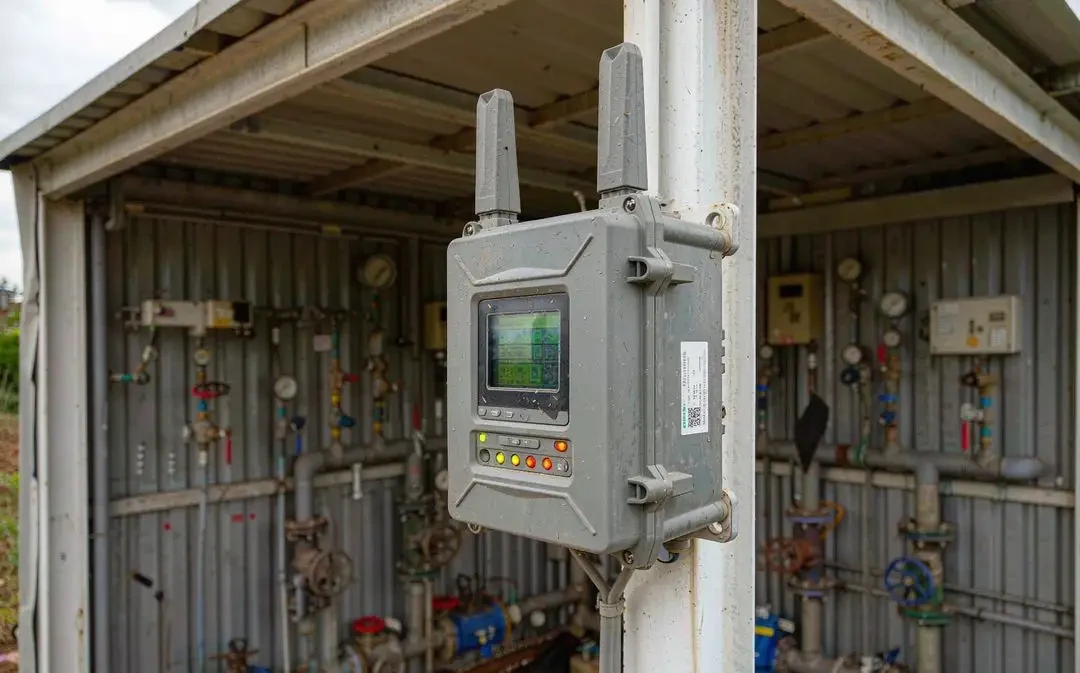
Follow a two-step implementation plan: first, conduct on-site signal and latency tests at representative workstations, then proceed to...One-month small-batch validationEnsure stability before scaling up. Industrial IoT prioritizes reliability. For bulk SIM activation needs, contact us privately for our certified industrial IoT card solutions.
The production line can lag a beat, but the network connection must never drop for a second.