How to activate an international data pool? First, understand the difference between virtual SIM and eSIM.
The international data pool consists of three layers: carrier type, number range assignment, and tariff pool. Activation requires four steps: verifying identity-based qualifications, selecting a pool, defining a tariff group, and pushing the activation command. Key considerations include eSIM compatibility on the device, cross-region sharing restrictions, and ensuring registration details match.
An international data pool isn't just "buying a SIM card for travel abroad"—it's a layered configuration built on three tiers:Carrier Form, Number Range, Billing PoolThe setup sequence is: first, create a pool account; second, attach eSIM profiles or physical SIM cards to the pool; finally, assign data plans to devices based on destination. Many projects stall at step one, incorrectly blaming the SIM card when the pool hasn't actually been created.
What are the three layers?
- carrierWhat it solves: How to install this SIM in the device. What to decide at activation: eSIM profile download or physical card insertion/removal.
- phone number rangeWhat it solves: Identifies the country or carrier of the SIM card. Key decisions at activation: Home country, roaming countries, and whether a local number is required.
- Billing PoolWhat it solves: traffic billing. Decisions required at setup: pool capacity, sharing scope, and overage policy.
The second layer is the most prone to gaps. Even though both are labeled "Global," some pools have local access in only a few countries and rely on roaming fallback elsewhere, resulting in different latency and settlement costs.
Complete the 4-step setup
- Qualifications & Real-name VerificationBusiness license, equipment usage description, and terminal list. For cross-border scenarios, data transfer and destination compliance may also be required.
- Select pool: Confirm country list overwrite, multi-network switching support, and per-device speed limits.
- Fixed Rate GroupA single pool can be split into multiple billing groups with device-type-specific limits to prevent a single device from exhausting the entire quota.
- ActivateeSIM profiles are provisioned remotely; physical cards are shipped via logistics. Device identifiers must be registered at activation, and a change request is required for device swaps.
Three common sticking points
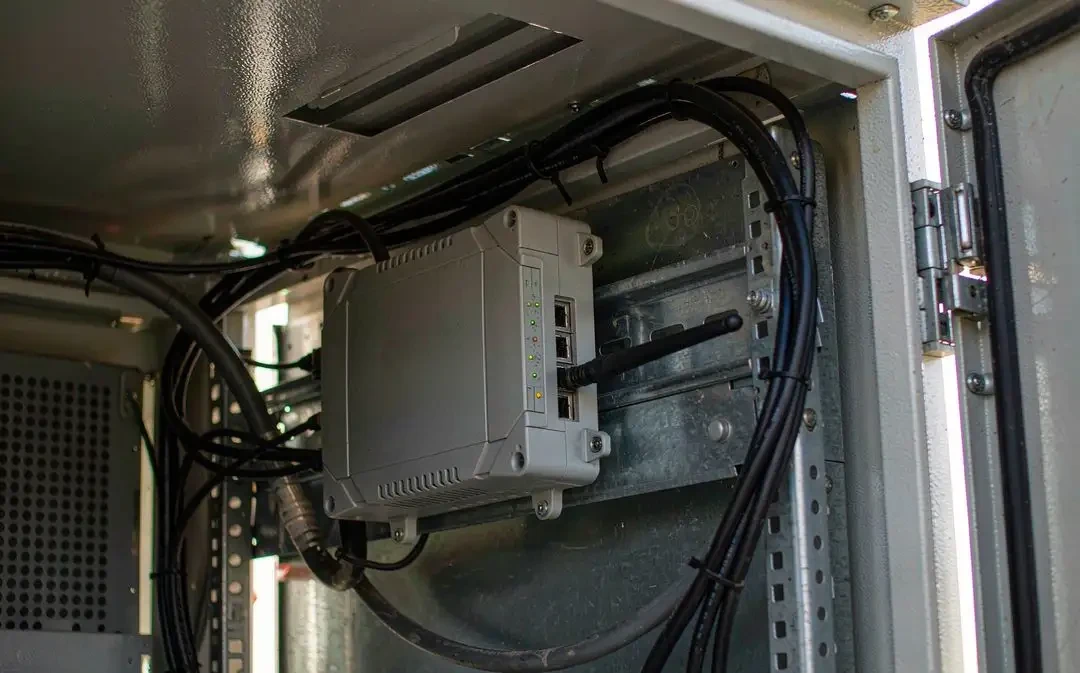
- eSIM not supported on this deviceMany industrial modules only have plug-in connectors, making remote deployment unusable; hardware compatibility must be confirmed first.
- Resource pools cannot be shared across regions freely.Cross-border pools are typically region-specific. Cards designated for Europe may not activate if used in Southeast Asia.
- Registration information does not match the deviceDiscrepancies between the device model, identifier, and actual hardware in a pool will be flagged as anomalies, resulting in activation failure or rapid suspension.
Use Cases and Limitations
For cross-border fleets, overseas warehouses, and exported equipment, a data pooling plan is the most suitable solution: manage devices across multiple countries with a single account, consolidate billing, and set unified spending limits.
Conversely, for single devices with occasional international use and low data consumption, the minimum order threshold and management costs of a pool are not cost-effective. A daily-pay model like an international travel SIM is lighter. While pools reduce management costs, they tie pricing structures to the service provider; switching pools requires re-provisioning and re-activation, so exit conditions must be clearly defined upfront.
Frequently Asked Questions
Q1: Can I activate without a local number?
Yes, roaming fallback is an option, but it has higher latency and some local services may be unavailable. A separate application is required if you need a local number.
Q2: Can I switch carriers anytime with eSIM?
Configuration files can be changed, but each switch requires re-deployment and activation. Frequent switching may trigger risk control alerts.
Q3: Can one pool support thousands of devices?
Agreed, but we recommend splitting billing plans by device type. Otherwise, a single anomalous device could exhaust the entire pool quota.