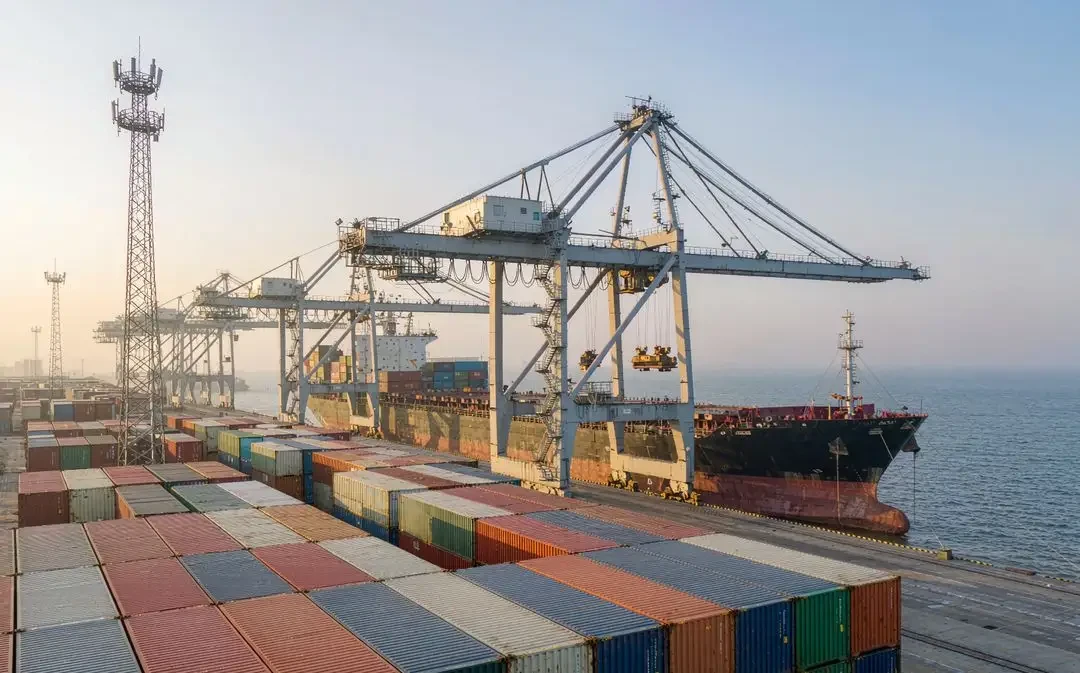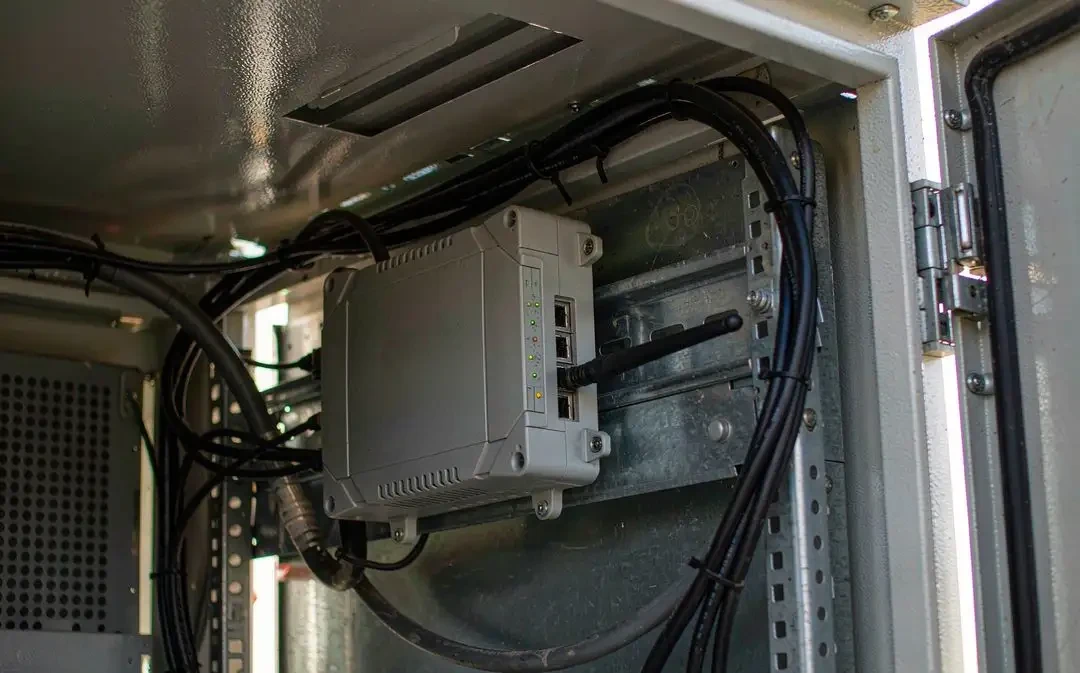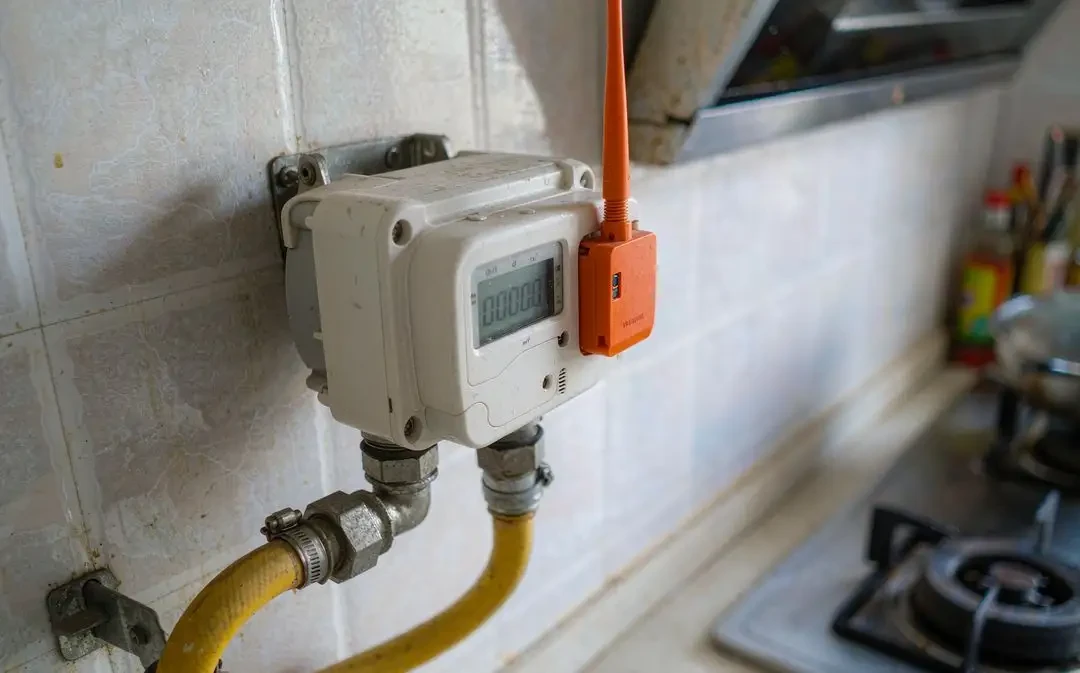
Low-power, long-range communication; NB-IoT SIM cards for water meters and gas meters.
Water and gas meters transmit only a few readings per day yet must operate continuously for 5–6 years inside wells and cabinets. This article examines NB-IoT's advantages in power efficiency, penetration, and management for metering applications, addressing three critical constraints: harsh environments, battery longevity, and massive connectivity. It also highlights key supply chain and numbering plan considerations to verify before signing contracts.
Smart metering: It's not about speed; it's about longevity.
A battery is considered qualified only if it lasts five years.
Water and gas meters are among the "quietest" IoT endpoints: they transmit only a few readings per day but must operate reliably in wells or cabinets for five to six years. They don't need high-speed networks; what they need is...Low power consumption, strong signal penetrationNB-IoT was designed to meet this need and is widely used in water and gas meter reading projects.
01 metering scenario: three hard constraints
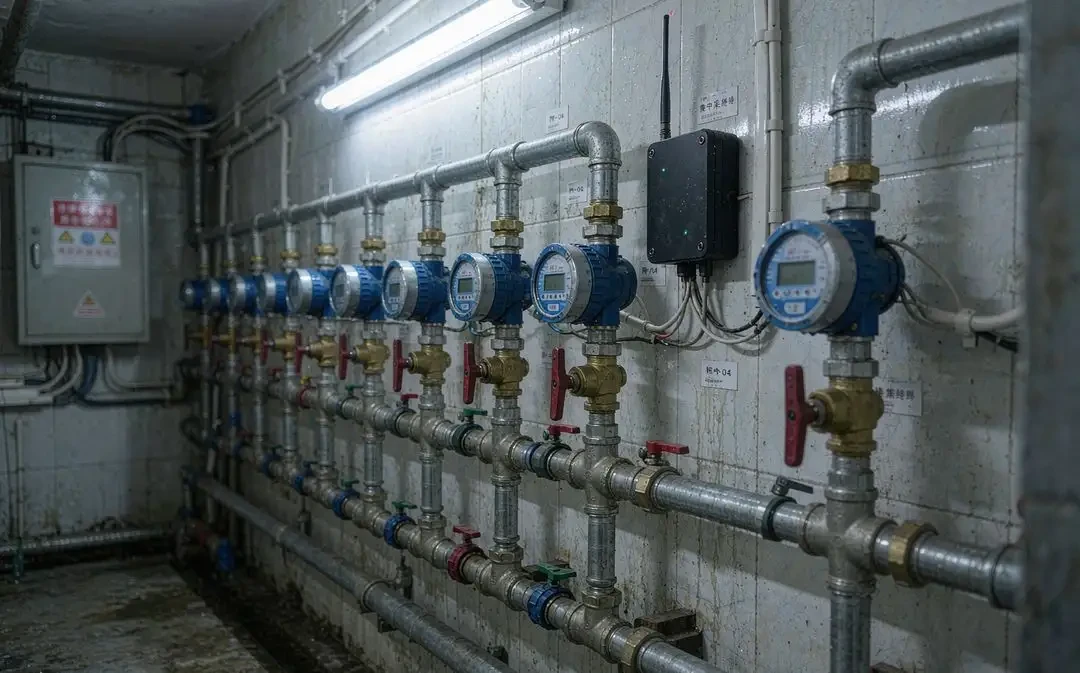
Meters have minimal connectivity needs: reporting a few readings daily and occasionally receiving valve control commands. The data volume is negligible. However, three constraints are strict—Deep Environment(Water meters are installed in wells; gas meters are housed in cabinets.) A single battery lasts five to six years, and a residential community may have thousands of meters. Conventional solutions can address only one or two issues at a time, whereas NB-IoT solves them all.Slim designSolve all three issues at once.
Narrowband gain ensures reliable signal penetration through manhole covers and walls; deep sleep mode enables long standby without power draw; single-cell massive connectivity allows the metering system to handle bulk device registration per building with ease. These three features...This is NB-IoT's domain.。
Three points for 02 NB-IoT meter adaptation
No need to memorize specs. Just match your device environment against these three criteria.
- Save powerPSM/eDRX deep sleep mode reduces silent current to the microamp level, enabling battery-powered meters to last 5–6 years and extending meter replacement cycles.
- High PenetrationNarrowband gain enables signals to penetrate walls and manhole covers, ensuring stable meter reporting in underground garages and utility shafts without requiring additional repeaters.
- Easy to manageThe meter reading platform enables batch management by community and building, providing clear visibility into abnormal usage and valve status to eliminate manual reading errors and omissions.
The metering project lasts for years; the card must match the meter's lifespan. Confirm before signing.Number Range Resources and Long-Term Supply CapabilityDon't let card replacement turn into a second construction project. Water and gas meter reading projects require NB-IoT SIMs. DM us to learn about bulk activation and backend management services.
Smart metering: Save energy, save money.