Rainfall data gaps during heavy storms? How to solve communication challenges in rain monitoring terminals
During flood season, heavy rainfall triggers incremental data uploads from rain gauges in bursts. This spikes base station load, causing packet loss and site disconnections that create gaps in the rainfall curve. This paper analyzes the limitations of generic cellular connectivity regarding service prioritization, signaling convergence, local cache resending, and regional resource scheduling. It then proposes a dedicated network access solution tailored for NB-IoT/4G outdoor monitoring scenarios.
Rain gauges at hydrological and flash flood monitoring sites are most prone to failures during the rainy season.
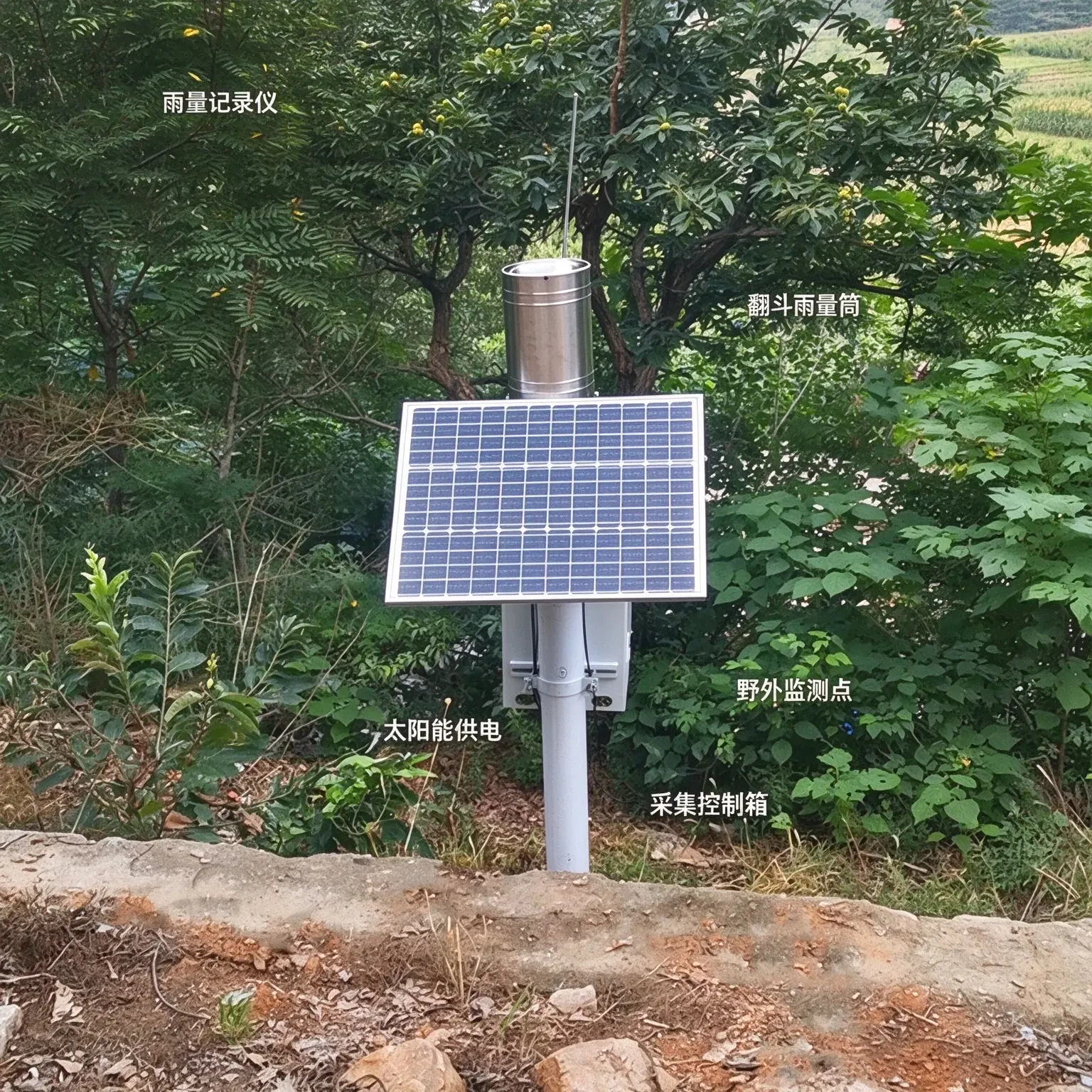
Under normal weather conditions, rain gauges report data at scheduled intervals with stable performance. However, during heavy rainfall or severe convective events, a surge in incremental reports from numerous rain gauges triggers concentrated delivery of rainfall messages and precipitation events. This causes a sharp spike in base station load, resulting in data delays, temporary disconnections for some stations, gaps in the real-time rainfall monitoring curves on the backend, and an inability to provide complete data support for flash flood warnings and flood control dispatching.
The project team repeatedly calibrated the rain gauge sensors, but still could not resolve data loss during heavy rainfall.
Traditional general-purpose cellular connectivity solutions are not well-suited for the bursty reporting requirements of short-term rainfall events.
The generic channel lacks business tiering, causing rainfall alerts, scheduled statistics, and device heartbeats to compete equally for bandwidth. During heavy rainstorms with concurrent reporting, messages are easily lost. There is no signaling convergence strategy, so rain-triggered batch reporting creates sudden concurrency spikes. The absence of a local caching and retry mechanism leads to direct loss of rainfall records during brief link interruptions, distorting statistical data. Additionally, there is no regional resource scheduling; a cluster of rain gauges concentrated along rivers or in mountainous areas can experience collective link congestion.
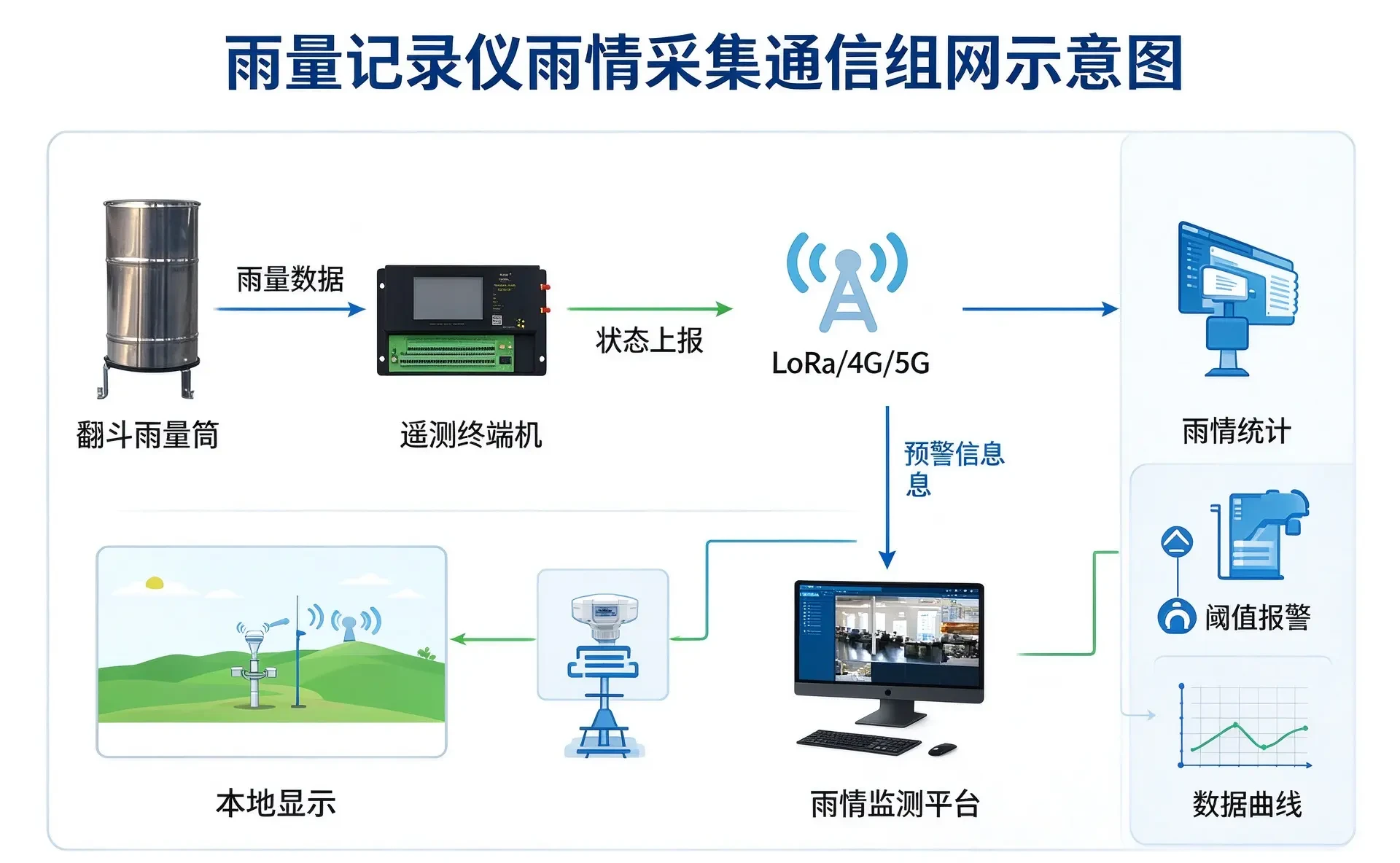
Microsecond IoTUnified Rain Gauge RecorderIoT ConnectivitySolution, AdaptNB-IoT, 4G IoTWildlife monitoring scenario.
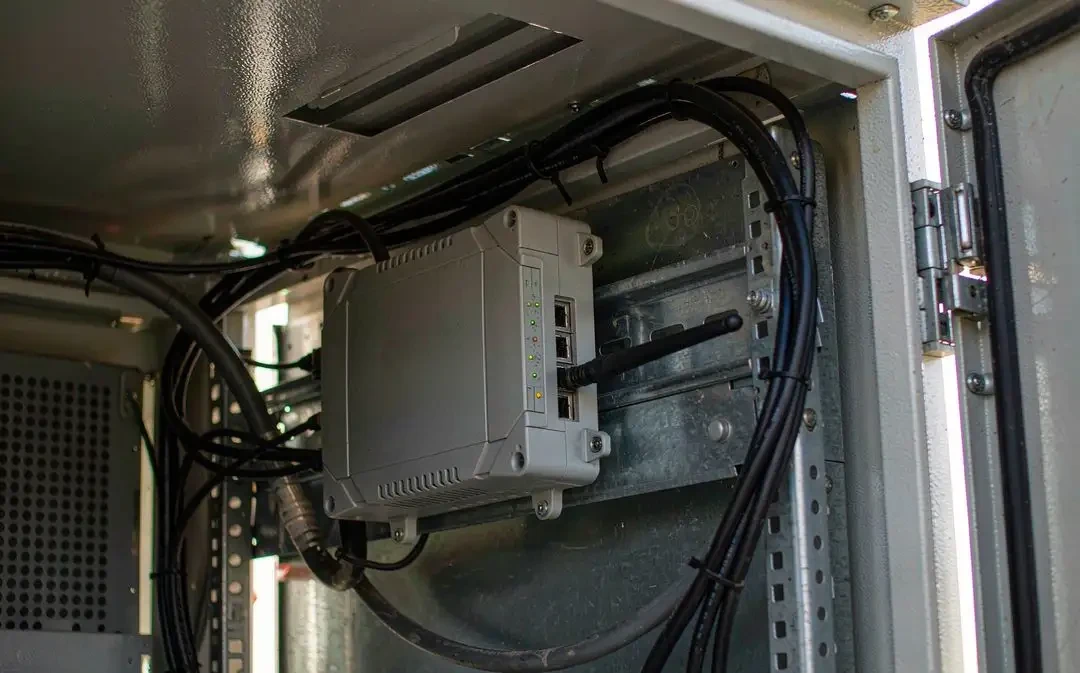
Leverage dedicated network access resources to assign high QoS channels for rainstorm alerts and real-time rainfall statistics, while off-peak transmission is used for historical rainfall reports and device diagnostic logs. The gateway includes local storage to cache rainfall data during network outages; once connectivity is restored, data is retransmitted in an orderly sequence to ensure a complete rain event record loop. The platform supports grouping access resources by watershed area, allows custom upload trigger rules and heartbeat policies to filter out invalid signaling, and provides link diagnostics to quickly distinguish between sensor failures and network congestion issues.
The solution integrates edge caching, network scheduling, and a connection control platform to ensure continuous and stable upload of rainfall data during flood season storms.
Water and rain monitoring projects are in preparation or debugging. You can schedule high-concurrency stress tests for heavy rain scenarios.