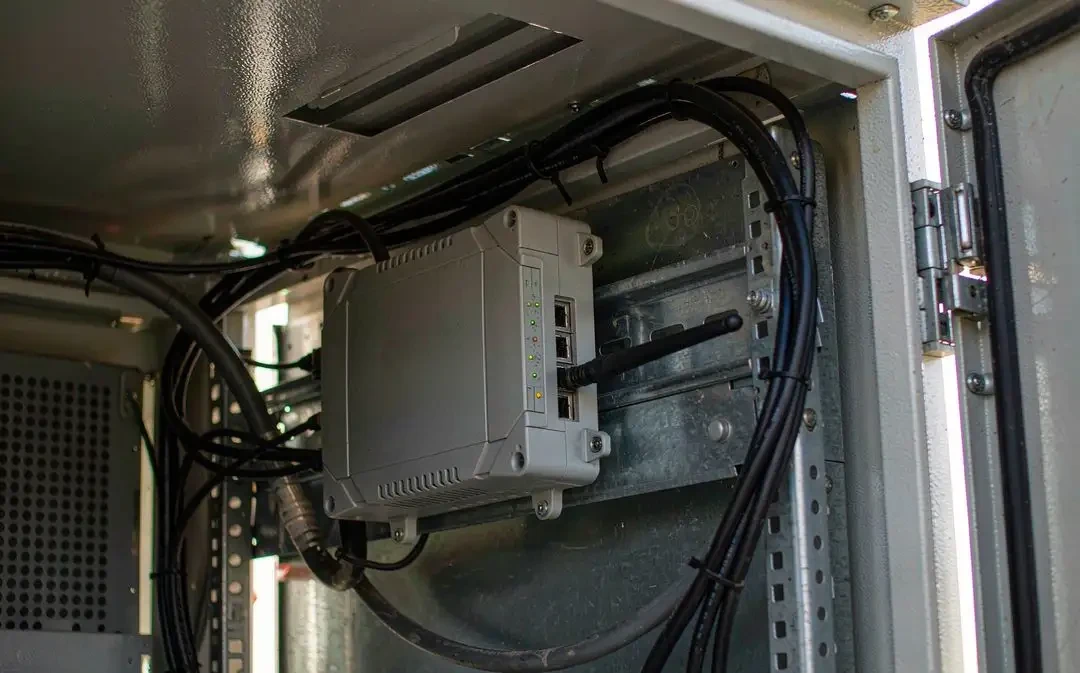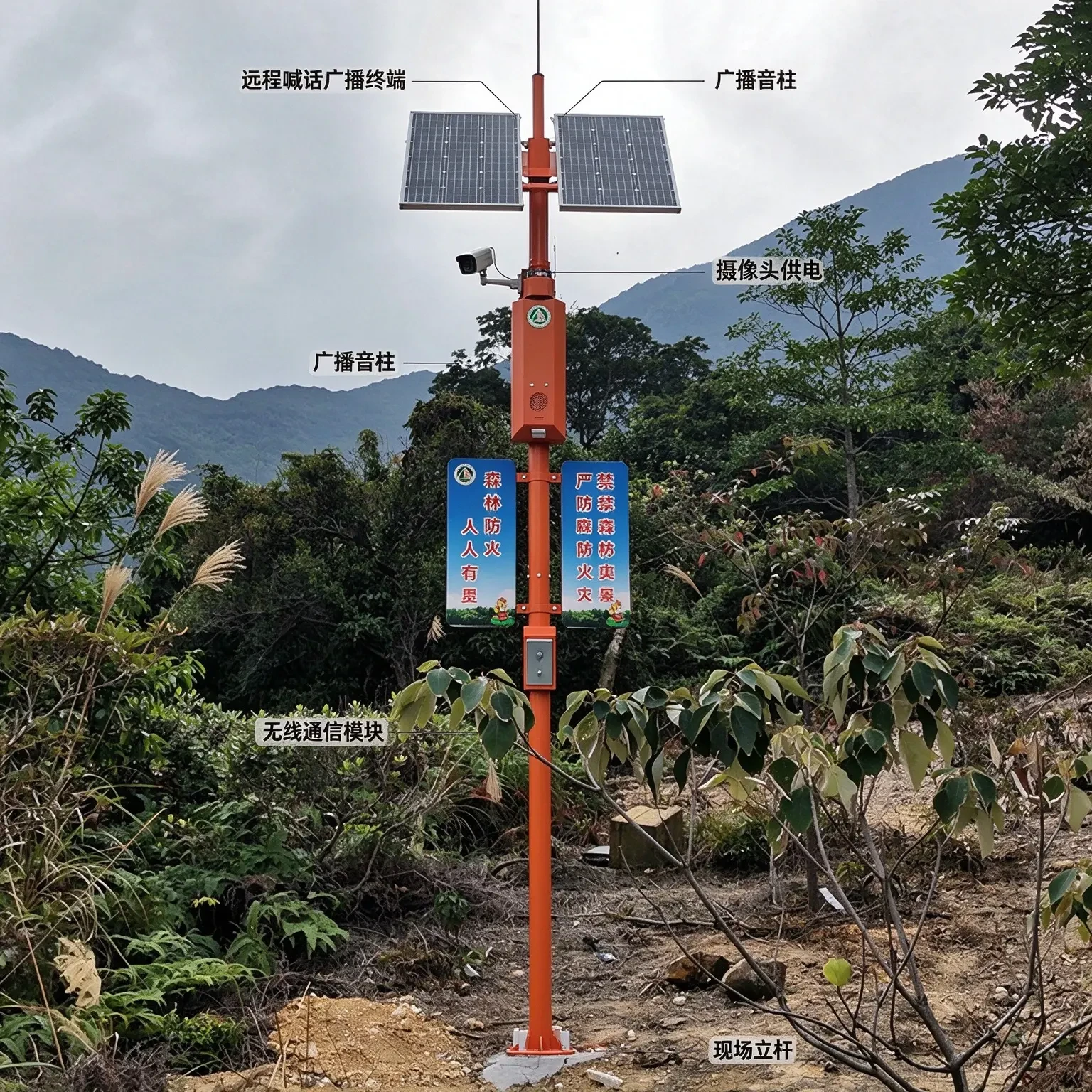
Remote PA systems frequently lag or lose audio? The bottleneck in emergency broadcast communication is hiding here.
In emergency remote broadcast projects for industrial zones, rivers, and geological hazard sites, command latency and voice stuttering are primarily caused by generic cellular connectivity solutions. This article outlines the implementation strategy for a dedicated connectivity solution for remote broadcast terminals, covering four key aspects: business traffic segmentation and isolation, dual-link redundancy across multiple carriers, a visualized connection management platform, and batch on-site access registration for outdoor deployments.
Emergency remote broadcast projects for industrial zones, rivers, and geological hazard sites often encounter the following issues from operators:The broadcast terminal's heartbeat status is stable and online, but there are delays in remote commands for announcements and alerts sent from the platform. Audio streams may be intermittent; in severe cases, playback commands are not received at all. During multi-zone synchronized broadcasts, when many terminals simultaneously fetch audio streams, base station resources become strained, causing command blocking and preventing urgent alert notifications from reaching the site.
Technicians repeatedly adjusted the amplifier and audio encoding parameters, but the intermittent voice failure remains unresolved.
The root cause lies in the limitations of universal cellular connectivity solutions.
Standard access channels do not differentiate business priorities. Terminal heartbeats, log uploads, and real-time intercom audio streams share the same transmission path; during base station congestion, voice packets are dropped first. Broadcast nodes are scattered along rivers and slopes, with signal obstruction from mountains and trees causing significant single-link fluctuations and lacking automatic redundancy switching. High-frequency terminal inspections generate excessive signaling traffic, increasing network load and triggering risk-control disconnections due to signal instability. Simply increasing antenna gain or adjusting module parameters only provides temporary relief and fails to resolve the underlying concurrency congestion issue.
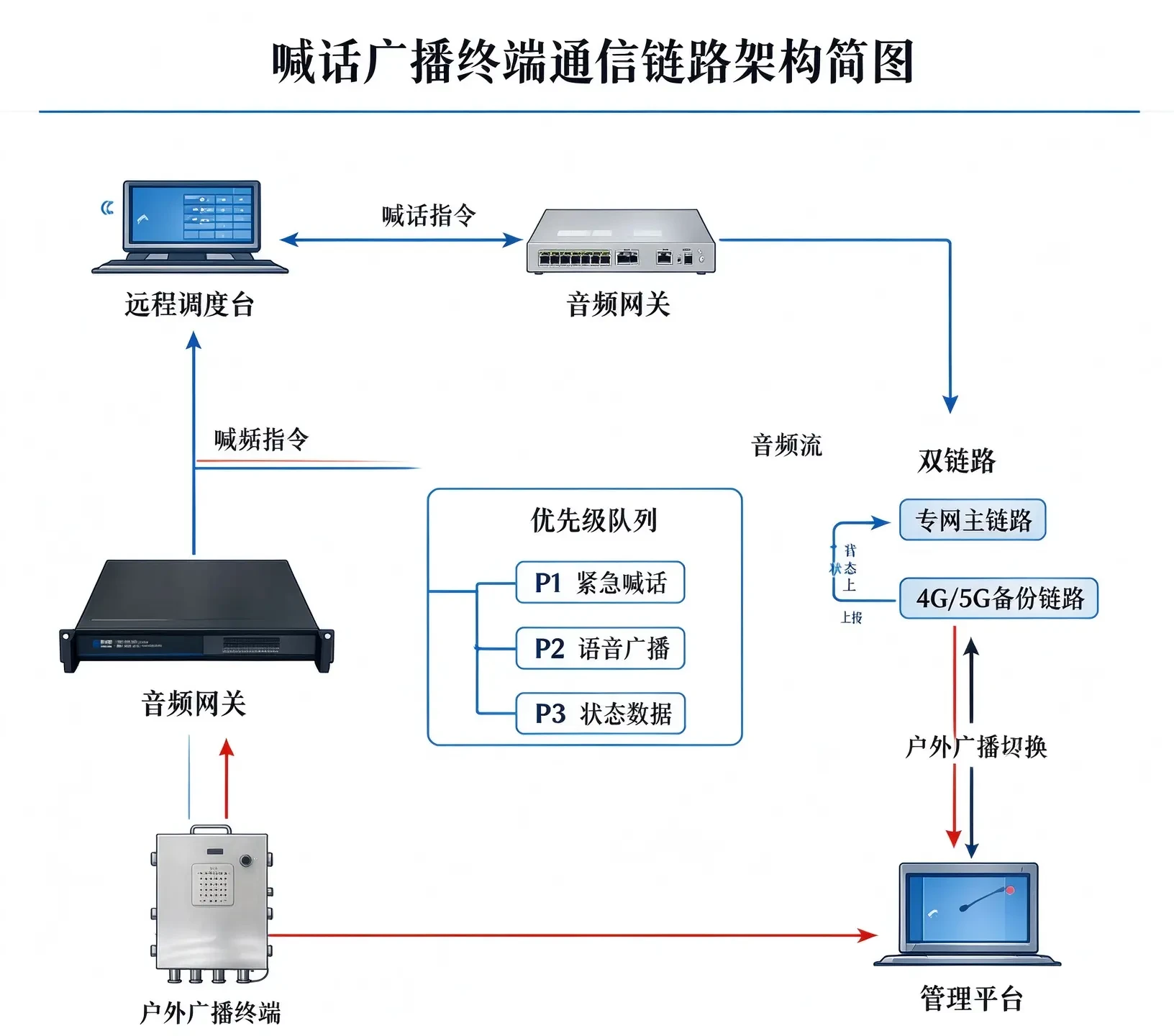
Microsecond IoTExclusive remote PA broadcast terminalIoT ConnectivitySolution: Build a highly reliable cellular communication foundation, supportingCat.1 / 4G IoTConnect.
- Traffic layering and isolation; remote broadcast commands and real-time voice streams are assigned high priority.Dedicated Network SliceDevice inspection logs and offline records are uploaded during off-peak hours.
- Gateway supports inter-carrier roamingDual-link redundancySeamlessly switch to the backup channel when signal attenuation occurs due to obstruction of the primary link.
- Comes with a visual connection management platform that automatically detects base station congestion, weak signals, and link disconnections to push early warnings.
- Optimized for outdoor broadcast scenarios with batch access filing support to reduce disconnection risks after large-scale deployment.
Proven in multiple emergency broadcast deployments for river channels and industrial parks, with seamless command delivery, stable voice playback, and timely emergency notification delivery.
If your remote intercom system experiences audio lag or lost command signals, contact us for a free link assessment.