Shared Terminal Cellular Connectivity Solution: Centralized Cloud-Based Remote Management
After deploying shared power banks, massage chairs, and self-service car washes, monitoring the online status and traffic capacity across thousands of locations manually is unsustainable. This article explains how to use enterprise IoT SIM cards with a management backend to digitize traffic queries, remote card control, and alert notifications. It also provides practical recommendations for maintaining location records.
The more waypoints, the less humans need to chase.
Shared power banks, massage chairs, self-service car washes... deploying the devices is just the beginning. The real challenge comes after: managing thousands of locations, tracking which units are online or offline, and monitoring remaining traffic. Relying on staff to visit sites in person simply isn't scalable. It's time to rethink the approach—Bring management onlineLet data do the work.
Pain points in operating and maintaining shared devices for 01
Shared devices are characterized by a large number of points and wide coverage.UnattendedDevices go offline without notice until a user fails to scan the QR code. Traffic overages often appear only in the end-of-month bill.Reactive operations managementThe more control points, the less stable it becomes.
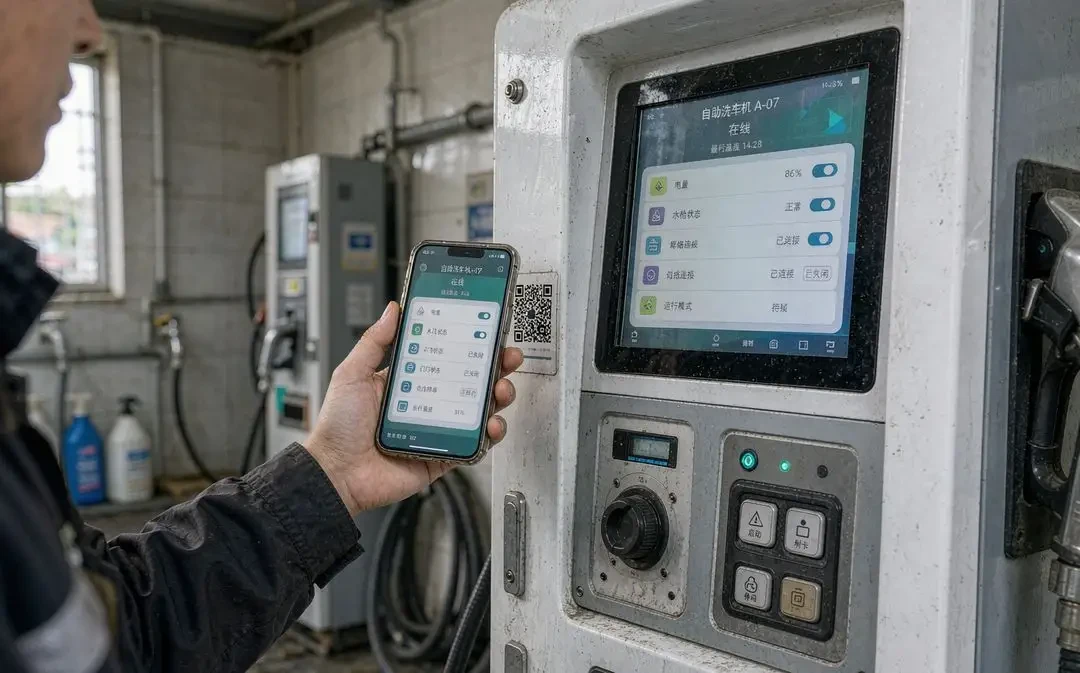
Enterprise IoT SIM management platform: Centralize device status, data usage tracking, and anomaly alerts for streamlined operations.From "on-site" to "in front of the screen"People don't need to move; information arrives first.
02 Backend Remote Management: Focus on Three Key Tasks
How to reduce operations pressure with an enterprise IoT SIM card plus a management platform: Focus on these three areas.
- View traffic onlineMonitor usage and remaining balance for each card in real time. Detect anomalies immediately instead of waiting for end-of-month billing statements to investigate.
- Remote Card ControlCard activation, suspension, and reactivation are managed directly in the backend. No on-site visits are needed for device decommissioning or location adjustments.
- Alert PushAutomatic alerts for disconnections, insufficient balance, and traffic anomalies enable operations teams to address issues proactively instead of reacting after the fact.
One actionable recommendation: register the device upon entry.Bind and register card number, location, and responsible person.The backend ledger has been accurate since day one. If you're looking to simplify operations and enable remote card control for shared projects, feel free to DM us to learn about our management dashboard features.
Devices assigned to sites; management handled by the backend.