Don't miss critical slope displacement alerts? Geological monitoring messages are essential.
In slope and foundation pit geological monitoring projects, displacement exceedance alerts and sudden data changes upload slowly or are lost during base station congestion, leaving critical risk events without data evidence. This paper outlines the implementation strategy for a dedicated slope tilt and displacement monitoring connection solution from four perspectives: high-priority network slicing for alert messages, dual-link backup, visualized monitoring and warning, and scenario-based access registration.
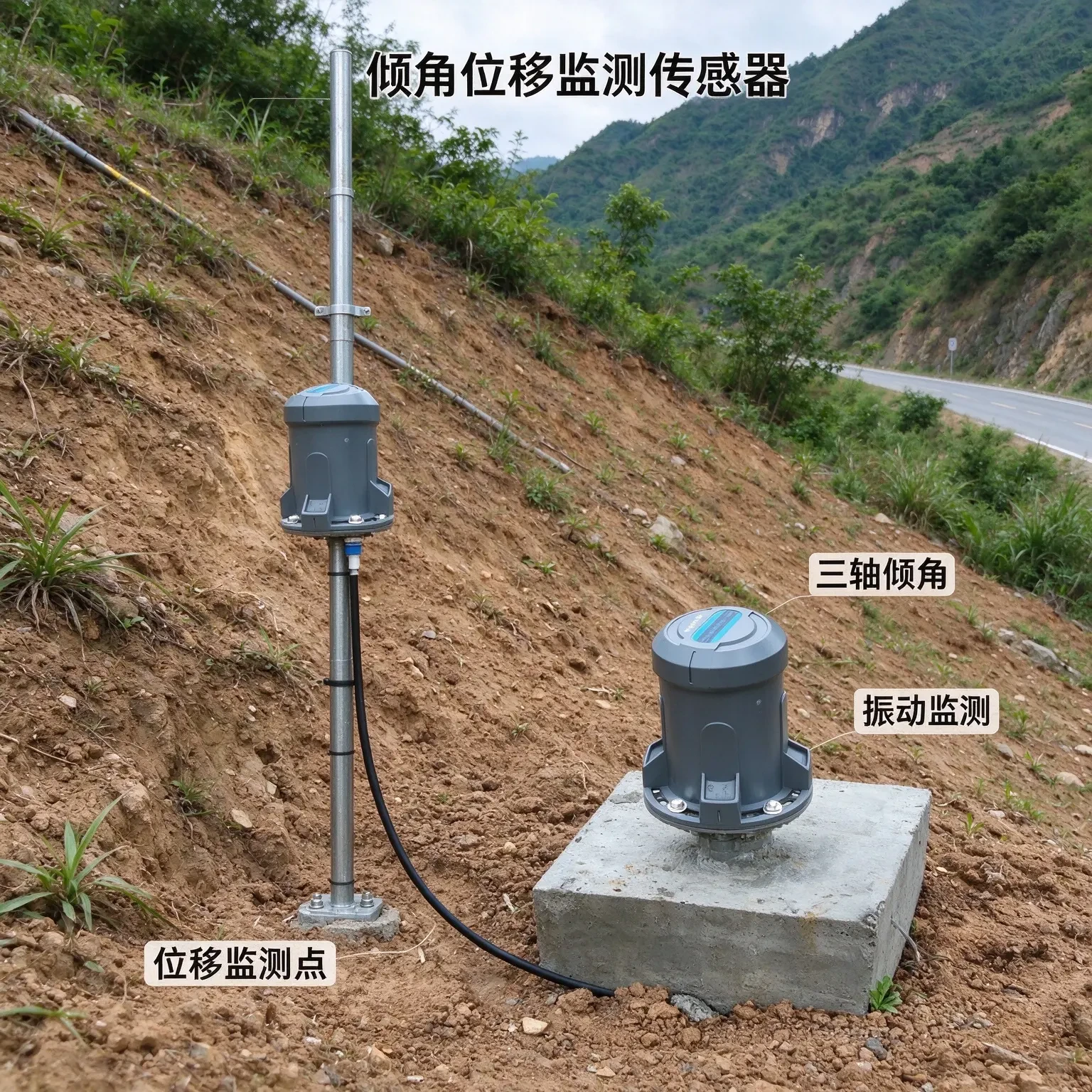
Many slope and excavation site monitoring projects face the following challenges:The tilt displacement sensor is online and operating normally, with routine periodic sampling data uploading successfully. However, when slope sliding or settlement triggers a displacement threshold alarm, the alert messages and sudden displacement data uploads are slow or even lost entirely. In mountainous areas or around excavation pits, heavy signal obstruction combined with multiple sensors in the same area transmitting simultaneously causes base station congestion, which exacerbates packet loss. This results in missing data for critical risk events, complicating geological safety assessments.
Operations teams often attribute failures to insufficient sensor accuracy.
Generic cellular connectivity services lack targeted optimizations for geological monitoring alerting workflows.
Regular sampling data streams, device inspection logs, and displacement alarm messages compete for the same transmission channel. Large-volume sampling data crowds out small-packet alarm messages. Public network shared access lacks slice isolation; after deploying sensors densely on slopes, uplink resource contention becomes severe. Without fine-grained link monitoring, it is difficult to predict base station congestion or signal attenuation risks in advance, often resulting in missed alarms until link anomalies are detected. Additionally, there is no targeted retransmission mechanism during link fluctuations, making it impossible to recover critical alarm messages once packet loss occurs.
Microsecond IoTBuilt for slope inclination and displacement monitoring scenariosIoT ConnectivitySolution supports NB-IoT and 4G access.
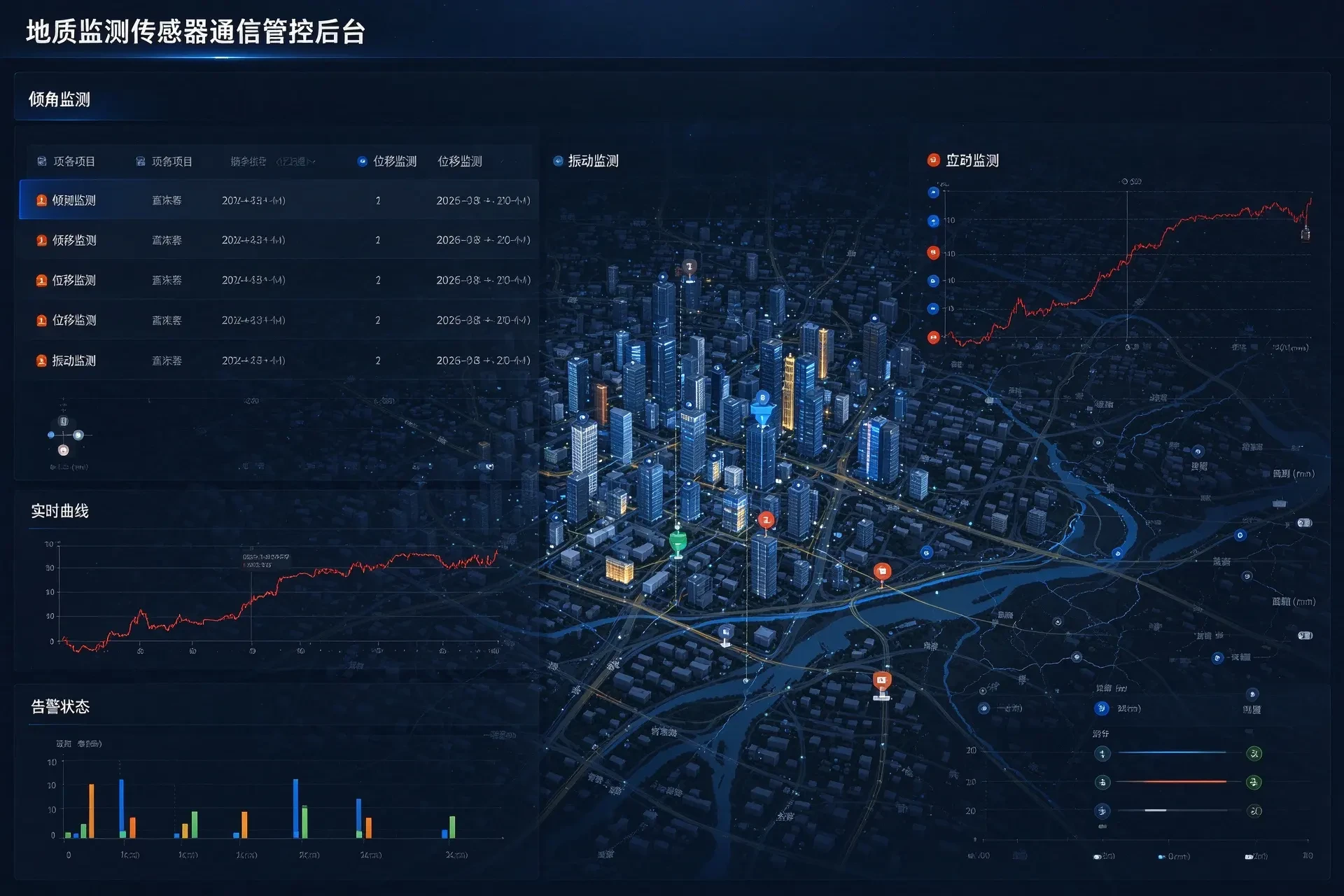
High-priority alert configuration for displacement limit exceeded and tilt angle sudden change.Dedicated Network SlicePeriodic sampling data is transmitted at rate-limited speeds on demand; historical records and device self-check logs are uploaded during off-peak hours. SupportsDual-link backupAutomatically switches channels when mountain slopes obstruct signals at remote monitoring points. The platform visualizes real-time uplink rates and message delivery ratios for all points, with automatic alerts for congestion or signal degradation. Supports registration of geological monitoring scenarios to ensure compliance with safety monitoring project requirements.
The solution prioritizes delivering geological anomaly alerts to ensure the evidence chain for slope safety monitoring remains intact.
If slope monitoring points frequently trigger lost displacement alerts, please contact us to optimize the communication link.