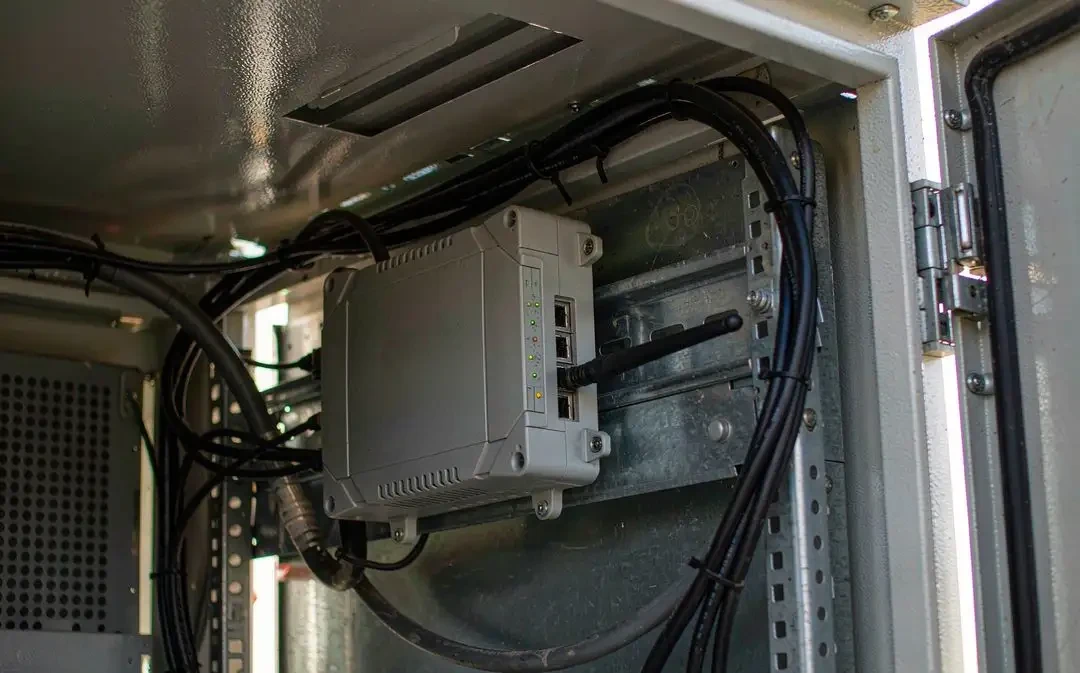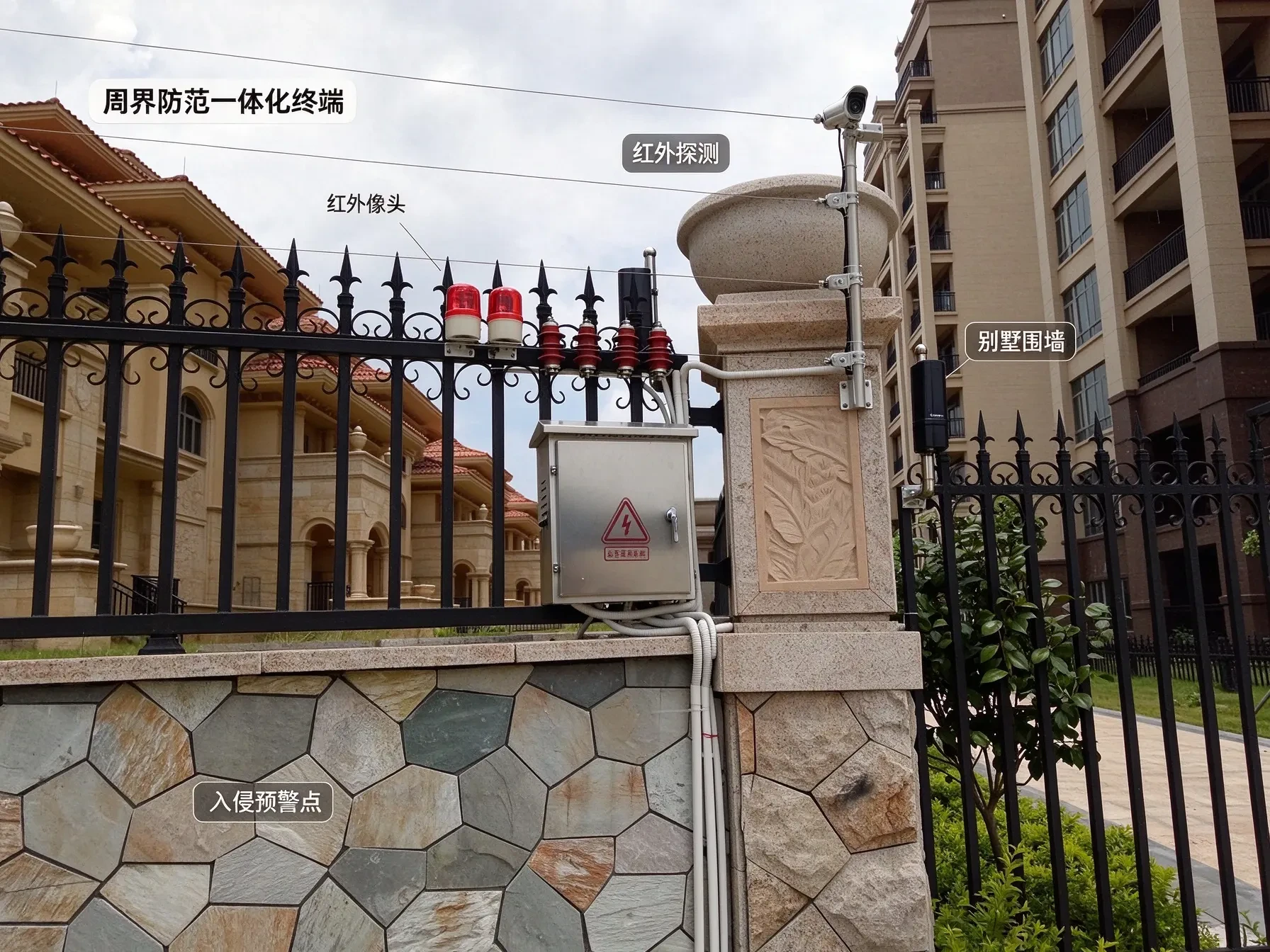
Why are perimeter intrusion alerts missing entirely for villa terminals? How to break the communication bottleneck at dense sensor points?
In villa and small estate perimeter security projects, simultaneous multi-point alarms often cause event log gaps due to concurrent uploads. Tree and wall obstructions further exacerbate packet loss and latency. This paper outlines the implementation strategy for a dedicated connection solution for villa perimeter terminals across four key areas: high-priority transmission slicing, dual-link backup, visual monitoring with early warning, and scenario-based access registration.
01 Multiple simultaneous alerts; significant loss of event records.
Many villa and small estate perimeter security projects face a common challenge: while individual terminals test smoothly—uploading alarms, snapshots, and voice messages without issue—concurrent triggers across multiple points strain the base station's uplink capacity. This results in data bottlenecks, event log gaps, and dropped packets. Dense vegetation and building obstructions further degrade signal quality, increasing latency and packet loss. Consequently, when an intrusion occurs, incomplete backend records make full incident reconstruction difficult.
Many engineering teams attribute this to insufficient terminal hardware performance.
The generic connection scheme for 02 is not optimized for multi-tenant concurrency.
General cellular connectivity service, not optimized for multi-service concurrent scenarios in villa perimeter security.
- Large traffic crowding out small packagesCaptured images, voice streams, inspection logs, and alarm events compete for the same transmission channel, causing large-volume data to congest small-packet alarm messages.
- No slice isolationPublic shared access lacks slice isolation; deploying multiple terminals in a single villa area causes severe contention for uplink resources.
- Missing monitoringLack of granular link monitoring makes it difficult to predict base station congestion risks in advance. Issues are often only detected after reviewing alert records.
- Ungraded ReshipmentNo tiered retry strategy during link fluctuations; critical event messages are treated the same as regular logs.
Exclusive connection solution for 03 villa perimeter defense terminal
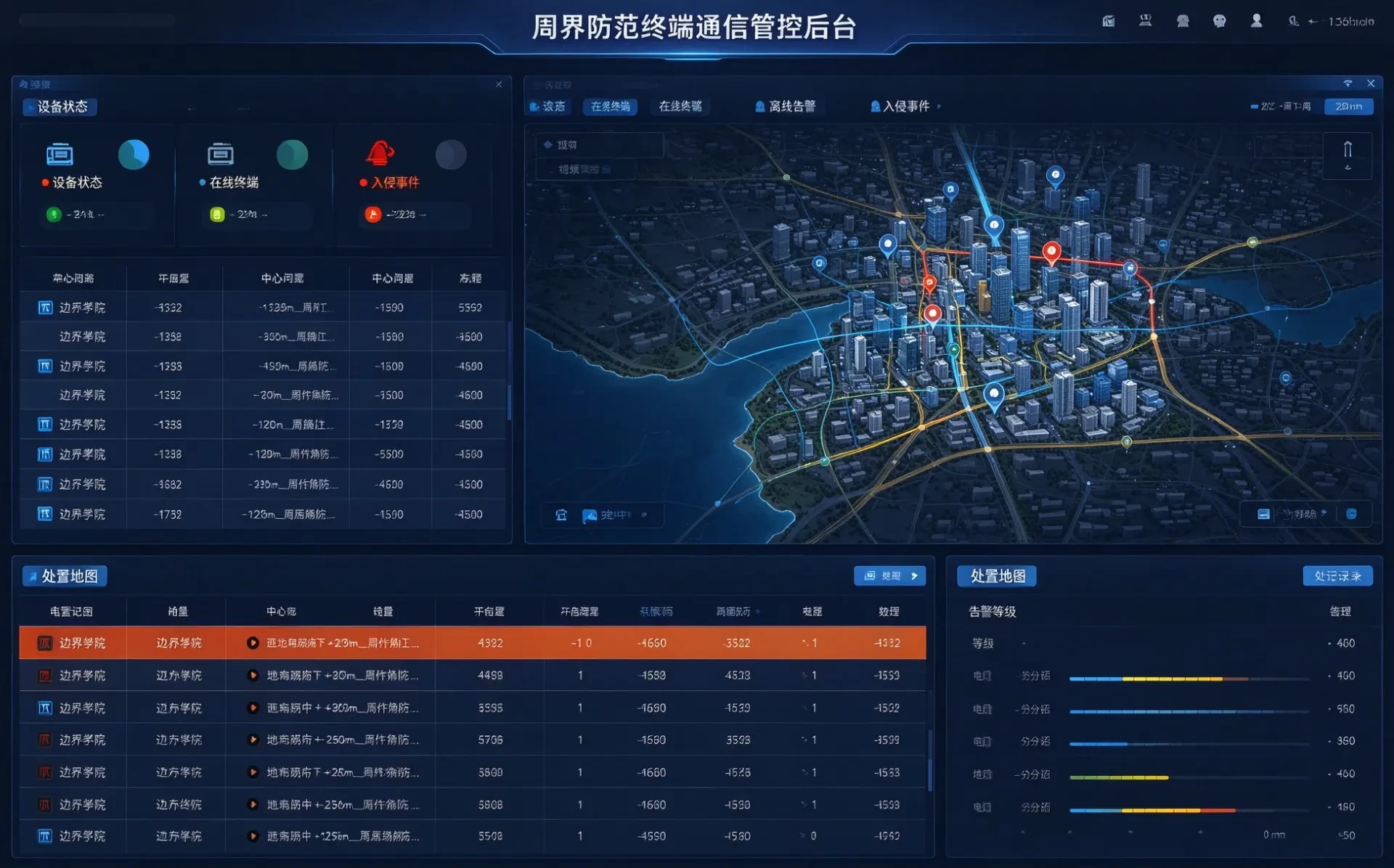
We deliver IoT connectivity solutions for perimeter security terminals in villas.
- High-Priority Transport Slice: Over-the-limit alerts, duress alerts, and event message configurations use high-priority transmission slices; snapshot images and intercom audio/video are rate-limited on demand; historical video recordings and inspection logs are uploaded during off-peak hours.
- Dual-link backupSupports dual-link backup; automatically switches channels when signal attenuation occurs at shielded locations such as villa wall corners.
- Visual Monitoring and Alerting: Platform provides visual monitoring of uplink rates and packet delivery rates across all nodes, with automatic alerts for congestion and signal degradation.
- Scenario-based access registration: Supports scenario-based access registration, meeting stability requirements for private residences and estate security projects.
The solution prioritizes complete retention of perimeter alarm events to secure the别墅 security audit trail.
If you frequently experience missing alarm records on your villa perimeter defense terminal, please contact us for link optimization solutions.